
RDFox IDE
& Graph Visualization Tool
Explore, query and visualize your graph data in RDFox with gdotv.
A Purpose-Built IDE for RDFox Developers
For practitioners working with RDFox, gdotv provides a comprehensive development environment well-established for RDF and SPARQL workflows.
The gdotv IDE supports core editorial capabilities such as syntax highlighting, autocomplete suggestions, integrated SPARQL documentation, and systematic prefix management, facilitating precise and efficient query authoring. Beyond these, gdotv incorporates advanced validation mechanisms, including SPARQL Query Guardrails, which assess query consistency with respect to the underlying ontology and schema constraints and is an essential feature when working with RDFox’s rule-based reasoning and materialization capabilities.
From a data interaction perspective, gdotv enables multiple complementary representations of RDF data. Graph visualization supports nodes, edges, and literals with full edit operations (insertion, deletion, and modification), while tabular views provide a structured alternative for inspecting query results. The system further introduces a unified data model abstraction, derived from both ontological triples and instance-level inferrings, enabling a coherent conceptual view over the dataset.
gdotv’s Data Explorer component allows users to construct queries through a no-code graphical interface by defining paths and constraints, which is particularly valuable for systematically exploring inferred and explicitly asserted knowledge in RDFox-managed graphs.
In certain scenarios, RDFox adopts behaviors that diverge from the standard W3C SPARQL specification, and in such cases, gdotv is explicitly designed to recognize and accommodate these differences.
 RDFox
RDFox
Oxford Semantic Technologies, a Samsung Electronics subsidiary
Query languages supported by gdotv: SPARQL
Learn more about RDFox
An Overview of RDFox
RDFox is a high-performance, in-memory RDF triplestore and reasoning engine developed by Oxford Semantic Technologies. It is designed to support efficient storage, querying, and logical inference over large-scale RDF datasets. RDFox distinguishes itself through its support for parallelized Datalog-based reasoning, enabling the materialization of inferred knowledge using user-defined rules in combination with standard RDF semantics.
The system provides full support for SPARQL querying, including extensions for reasoning-aware query answering. Its in-memory architecture allows for low-latency query execution and high throughput, making it suitable for both analytical and real-time applications. RDFox supports incremental reasoning and updates, allowing changes in the dataset to be efficiently propagated through the inference layer without requiring full recomputation.
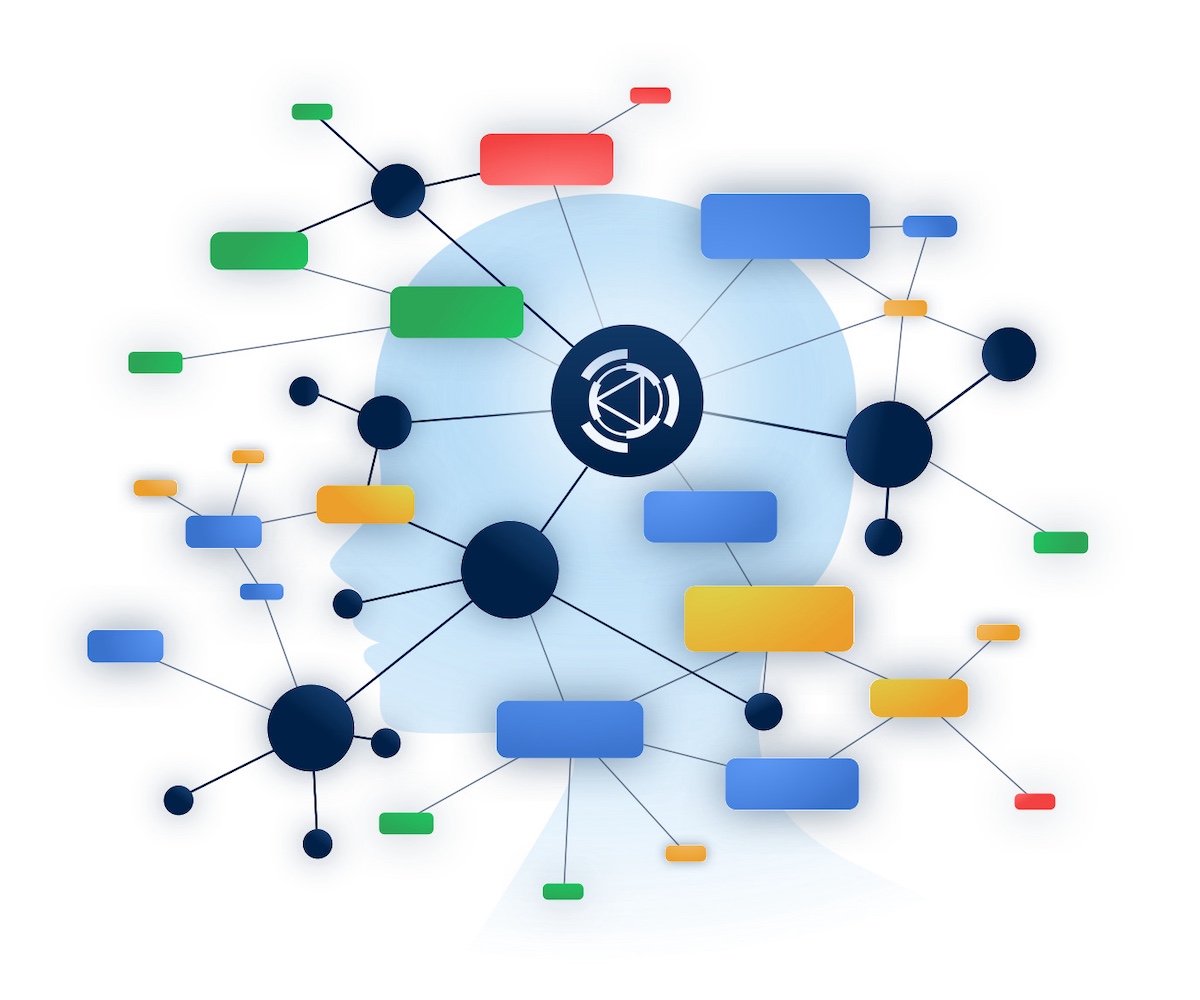
In terms of deployment, RDFox can operate as an embedded library or as a standalone server, offering flexibility across different system architectures. It is commonly applied in domains requiring rich semantic reasoning, such as knowledge graphs, data integration, and enterprise data management, where both explicit and inferred knowledge must be queried in a unified manner.
What’s Possible with RDFox + gdotv
Easy Installation & Setup
Effortlessly integrate gdotv with your RDFox graph database with a simplified plug-and-play database connector. The gdotv database client provides straightforward database connection and configuration instructions to get you started in less than a minute.
This RDFox IDE is available to download for Windows, macOS, and Linux with a one-click installer to get you started instantly.


Centralized Connection Management
gdotv can be used to query and compare data from a huge range of graph database vendors – simultaneously! We don’t just work with RDFox: gdotv data visualization tools fully integrate with various other graph technologies, including all Apache TinkerPop™ compatible graph databases and most LPG and RDF providers.
gdotv is fully compatible with query languages like Gremlin, Cypher, Google SQL, SQL:2023, SPARQL and more. Using an intuitive UI, you can switch between your connections and queries seamlessly.
Customizable Data Visualization
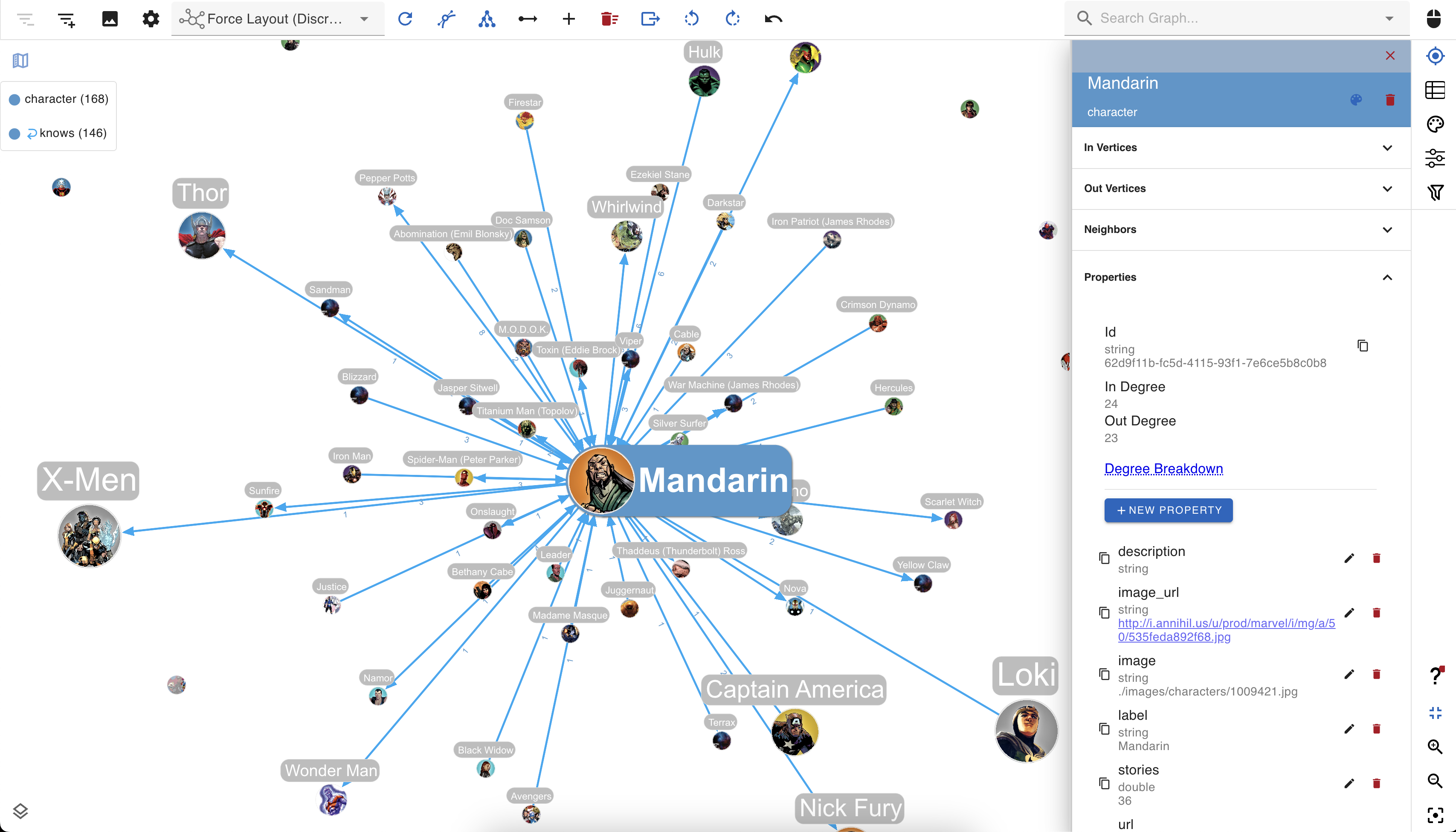
You can create custom visualization rules for your graph database with gdotv to determine the look and feel of your data.
Our database client boasts easy-to-configure style options that you can use to customize vertices and edges based on their labels and property values.
You can choose any color, size, or background image and adjust other elements to match your preference.

No-Code Data Exploration with the gdotv Graph Data Explorer
Use the built-in gdotv Graph Data Explorer to navigate your RDFox data without using queries.
The Graph Data Explorer allows you to define path patterns to query from your data, using filters on both your vertices and edges. Elements in the declared path can be filtering according to their label, direction, and property values, allowing you to perform complex path-pattern searches with no code.
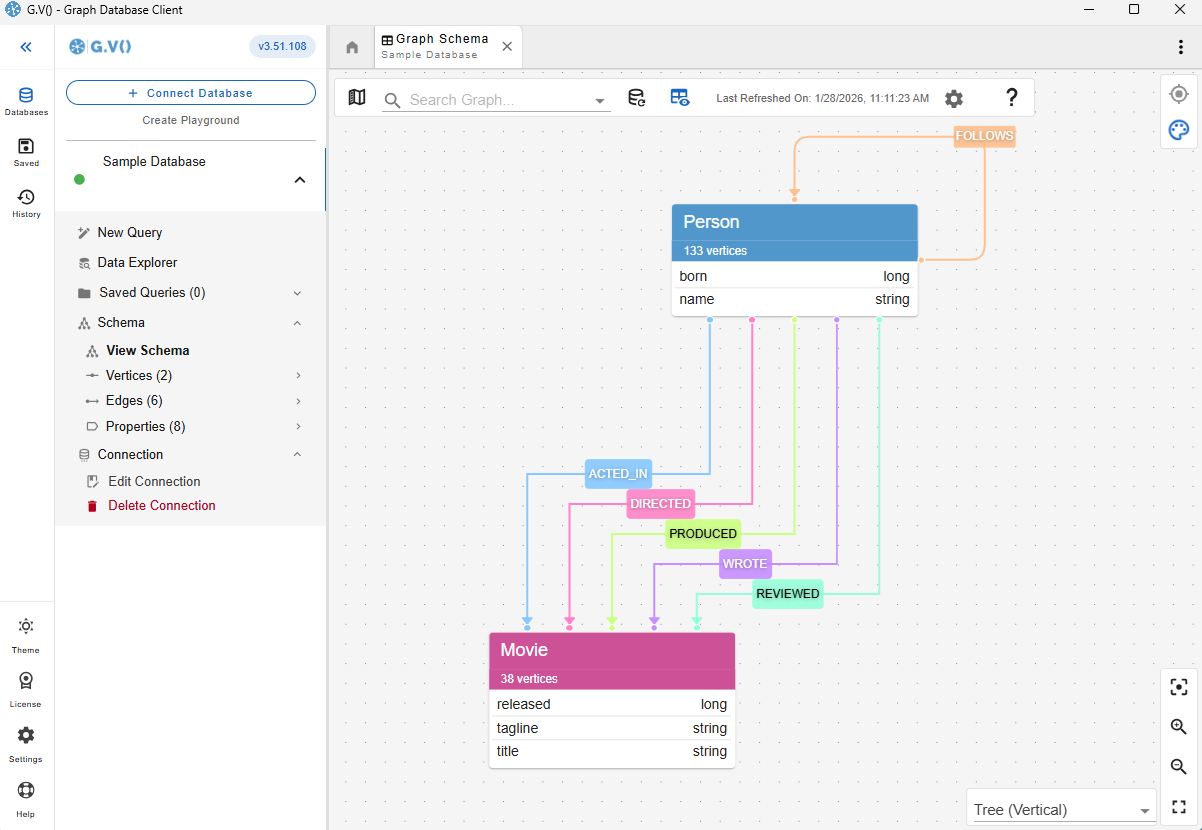
Instantly Load & View Your Data Model
Understanding and verifying your data schema is critical component of graph management. This is why gdotv provides an overview of your data structure with the data model view.
For RDFox, there is no need to provide a data model, as gdotv is able to infer the schema directly from the data itself. This is always just a click away, meaning that you always have an bird’s-eye view of your vertices, edges, and properties right at your fingertips.

Modify Your RDFox Graph Data Directly within gdotv
Want to adjust something in your graph? Take a hands-on approach and manage your RDFox graph directly.
Using gdotv, you can directly create, modify, and delete the edges and nodes – as well as modify the properties associated with them – allowing you to make changes on the fly.
Take Advantage of Syntax Validation
Using gdotv language highlighting and syntax checking for SPARQL makes your code easier to understand and visually parse, warning you of any error that would prevent it from executing against your RDFox instance.


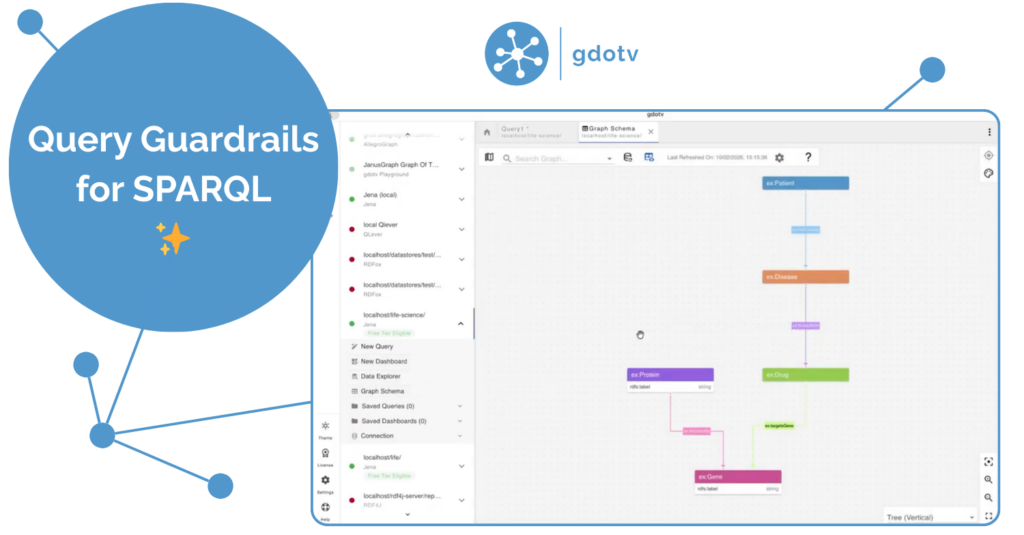
Take Control of your Queries with SPARQL Query Guardrails
Since RDF is fundamentally schema-optional, gdotv doesn’t enforce any schema against your graph. It will, however, check your queries against the inferred schema, meaning it will automatically generate warnings if it detects potential ontology clashes.
This gives you additional insight into malformed queries, even when they execute normally against your RDF triplestore.

Visualiztion Optimized for RDF
gdotv offers graph visualization especially developed for RDF triplestores.
The nodes and edges are detected from your query results, and any literals will be interpreted as properties. To improve readability, gdotv has built in IRI shortening and prefix handling.
You can customize your graph labels further using inferred schema from the graph, such as via RDFS statements.

State-of-the-Art SPARQL Editor
The gdotv SPARQL code editor is the most powerful available – it offers data schema-accurate auto completion and embedded official documentation for SPARQL to give you all the information and suggestions you need to write your RDFox queries faster and more effectively.
RDFox + gdotv Blog Posts
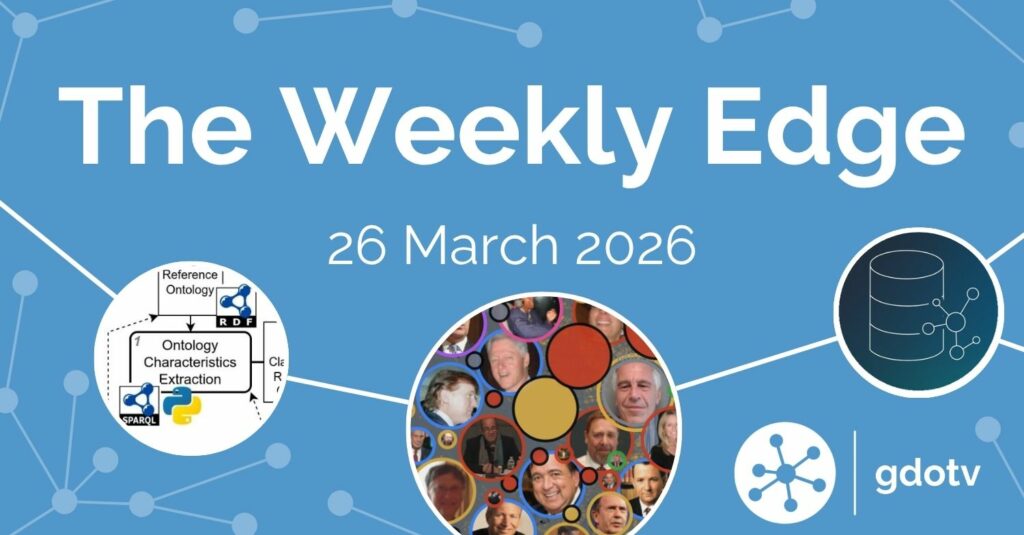
![Announcing SPARQL Query Guardrails, Dashboarding, Query Editor Upgrades, & More [v3.53.111 Release Notes]](https://gdotv.com/wp-content/uploads/2026/03/rdf-sparql-query-guardrails-interactive-graph-dashboarding-gdotv-release-1024x535.jpg "Announcing SPARQL Query Guardrails, Dashboarding, Query Editor Upgrades, & More [v3.53.111 Release Notes]")
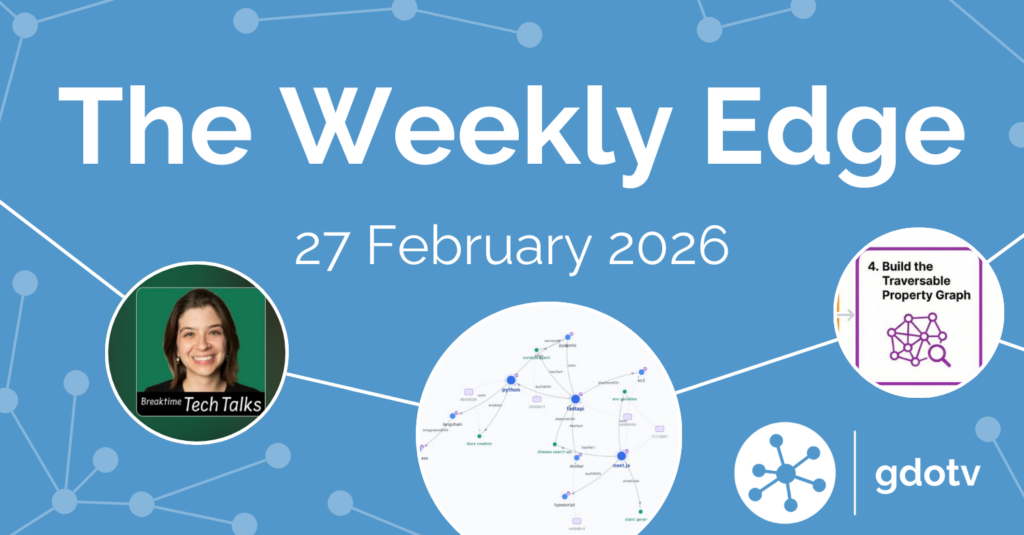
Frequently Asked Questions (FAQs)
gdotv: The RDFox IDE
Turn your graph data into connected insights when you use gdotv to query, explore, and visualize your RDFox graph database.
Sign up for a free trial today and discover how gdotv amps up your productivity as the perfect RDFox IDE and graph visualization tool.
Or, prefer to talk with the gdotv team directly? Use the form below to get in touch.