
gdotv Adds Multi-Graph Connections & Automatic Data Models [v3.74.142 Release Notes]
Discover multi-graph connections in gdotv v3.74.142: move between graphs, datasets and repositories on one connection, with data models that load themselves.

![gdotv Adds Multi-Graph Connections & Automatic Data Models [v3.74.142 Release Notes]](https://gdotv.com/wp-content/uploads/2026/08/multi-graph-connections-automatic-data-models-gdotv-v3-74-142-release-notes-banner-1024x768.webp "gdotv Adds Multi-Graph Connections & Automatic Data Models [v3.74.142 Release Notes]")
Discover multi-graph connections in gdotv v3.74.142: move between graphs, datasets and repositories on one connection, with data models that load themselves.
Learn how to engineer a graph ontology that keeps its meaning across RDF and property graph systems, with practical modelling best practices and tooling.
Discover what’s new this week in graph technology: N3 rules for ontology alignment, Yugabyte’s agent-ready Postgres, and ontology-free graph construction.
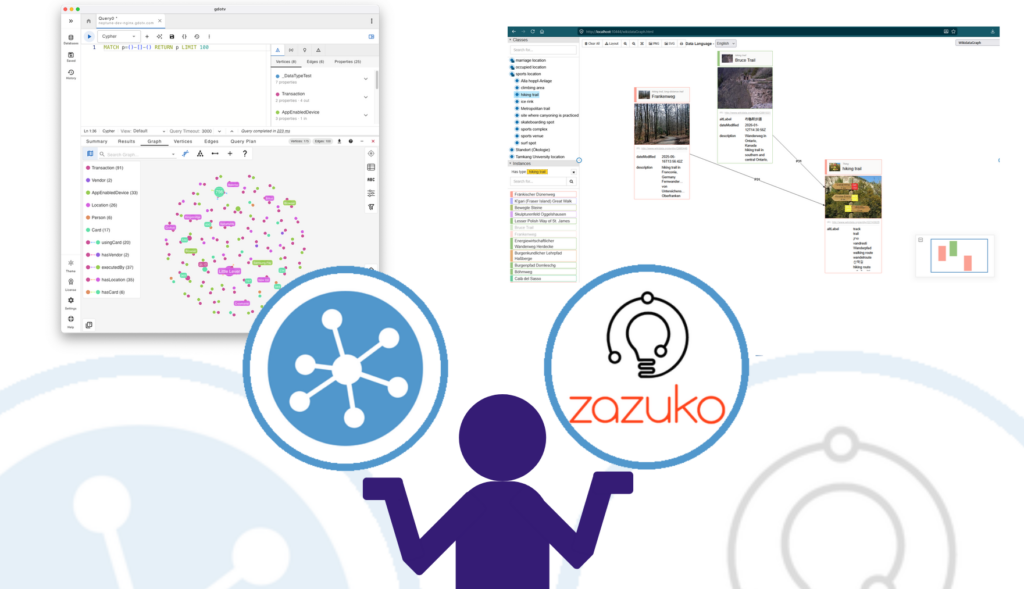
How does gdotv compare against Zazuko Graph Explorer? Follow along with this deep-dive as we explore the various features of each framework.
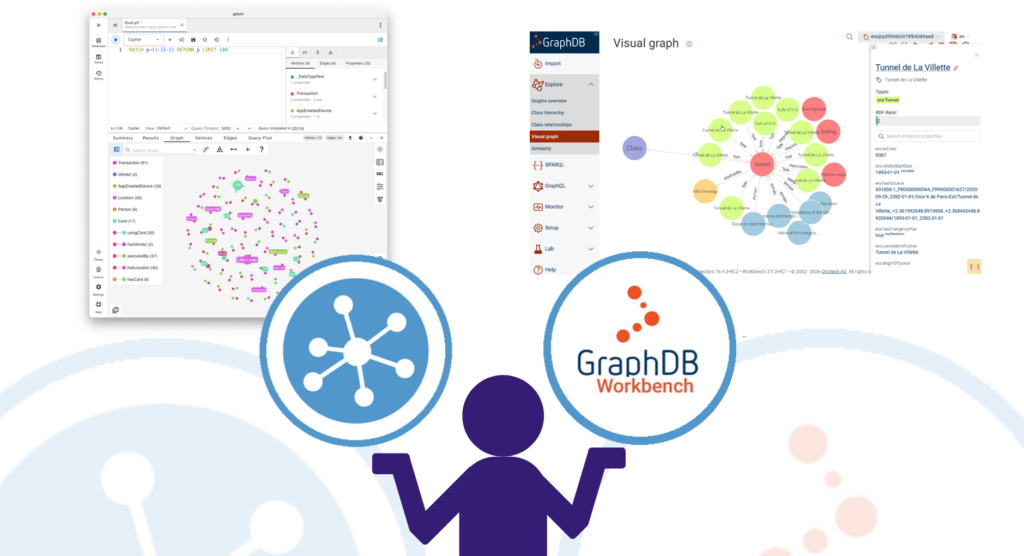
How does gdotv compare against GraphDB Workbench? Follow along with this deep-dive as we explore the various features of each framework.
Explore four queries in gdotv against TEG-DB show what edge text enables: sentiment polarity, citation chains, and contradictions invisible to graph topology.
Load TEG-DB CSV files into Amazon Neptune via the bulk loader API, connect gdotv with IAM auth, and verify the loaded graph with Gremlin.
Find out how to build a property graph pipeline converting the TEG-DB graph benchmark from PyTorch Geometric pickles into AWS Neptune import-ready CSV files.
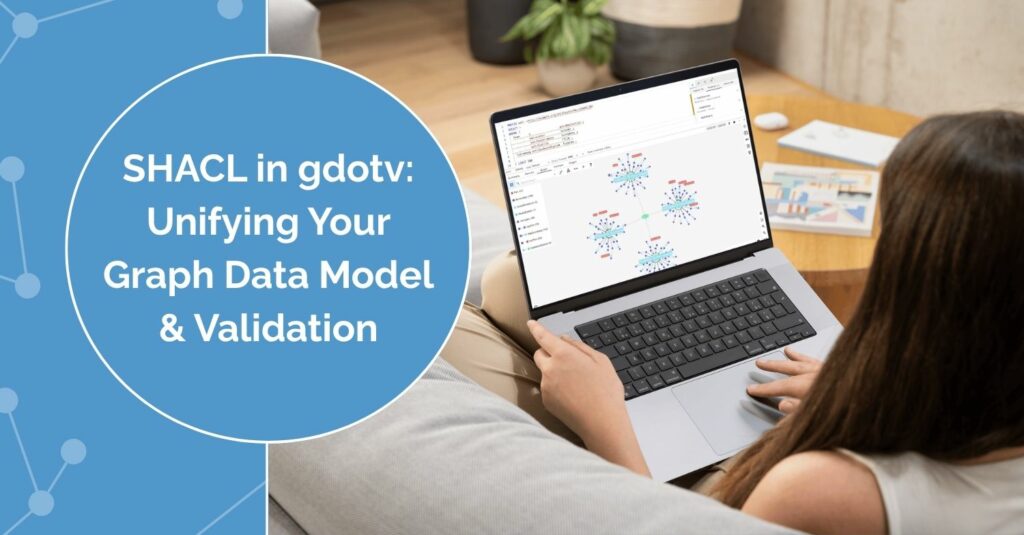
Discover how gdotv transforms SHACL validation shapes into a unified RDF data model by integrating ontology and instance data into one explorable view.
![Evaluating Codebase-Oriented RAG through Knowledge Graph Analysis [Part 2]](https://gdotv.com/wp-content/uploads/2026/03/knowledge-graph-analysis-codebase-oriented-rag-part-2-1024x535.jpg "Evaluating Codebase-Oriented RAG through Knowledge Graph Analysis [Part 2]")
Crack open your codebase RAG with a knowledge graph analysis that illustrates hidden dependencies and other structural breakdowns in part 2 of this series.