The Weekly Edge: Read S3 Data with Cypher, Graph in Fabric GA, Epstein Files Graph Viz, & More
Buckle up your nodes and vertices, because we’ve got a helluva Weekly Edge for you.
This week’s graph technology news is almost all big releases or major announcements – especially for those working in the AWS or Microsoft ecosystems. This edition isn’t a magazine; it’s a newspaper.
Here are this week’s graph tech headlines:
- Leaving public preview: Graph on Microsoft Fabric is expected to GA in April
- Graph analytics without the ETL: Amazon Neptune users can now query S3 data using openCypher
- Entering public preview: Custom cybersecurity graphs will soon be available in Microsoft Sentinel Graph
- Need a synthetic RDF knowledge graph? PyGraft-gen has got you covered
- Who’s (connected to) who in the Epstein Files: This graph visualization helps you explore the shadowy network
The Weekly Edge is your graph database news roundup covering the top releases, announcements, and resources from the last seven(ish) days and is curated by the gdotv team.
// It’s time to level up your graph game: Query, explore, edit, and visualize your connected data with the gdotv graph IDE. Try it out with a 1-month, no-fuss free trial.
Let’s get into this week’s happenings.
[News:] Graph in Microsoft Fabric Will GA Soon
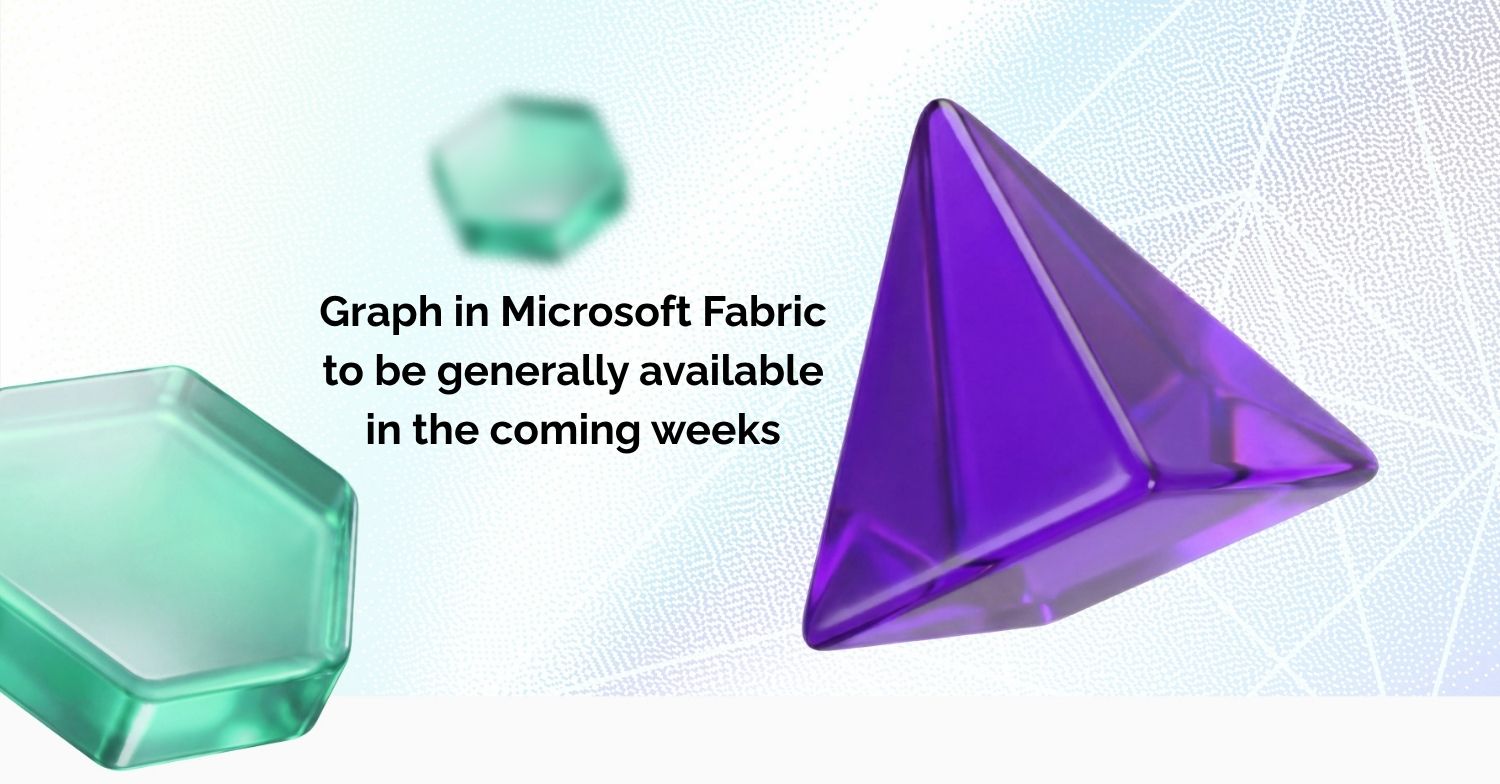
Microsoft’s FABCON 2026 just wrapped and one of the biggest announcements from Azure Data President Arun Ulag is that graph in Fabric will become generally available in the coming weeks. Graph in Microsoft Fabric is a labeled property graph database using GQL that’s currently in public preview.
According to the official announcement, the highly scalable graph database works alongside Microsoft Power BI to help power much of Fabric IQ. A follow-on blog post by Yitzhak Kesselman explains that Fabric Graph works directly on data stored in OneLake, eliminating the need to copy or move data into specialized graph databases. Users define relationships in their ontology, and Fabric Graph makes those relationships queryable as live conditions change. More info to come at the end of April.
[Release:] Read Your S3 Data using openCypher in Amazon Neptune
Big news for users of Amazon Neptune: You can now read data from Amazon S3 within openCypher queries. The new neptune.read() function reads CSV or Parquet files from Amazon S3 within a CALL subquery, allowing you to process and load data at query time.
This gives AWS Neptune users an additional option of federating with external data stored in S3 versus loading all of your data into Neptune. If you’re using Amazon Neptune Analytics, you can now dynamically incorporate S3-stored data without the traditional multi-step workflow requirements.
Read from S3 is available in all regions where Amazon Neptune graph database is currently offered. Check out the Neptune docs for more.
//
[News:] Custom Graphs in Microsoft Sentinel Graph Enter Public Preview
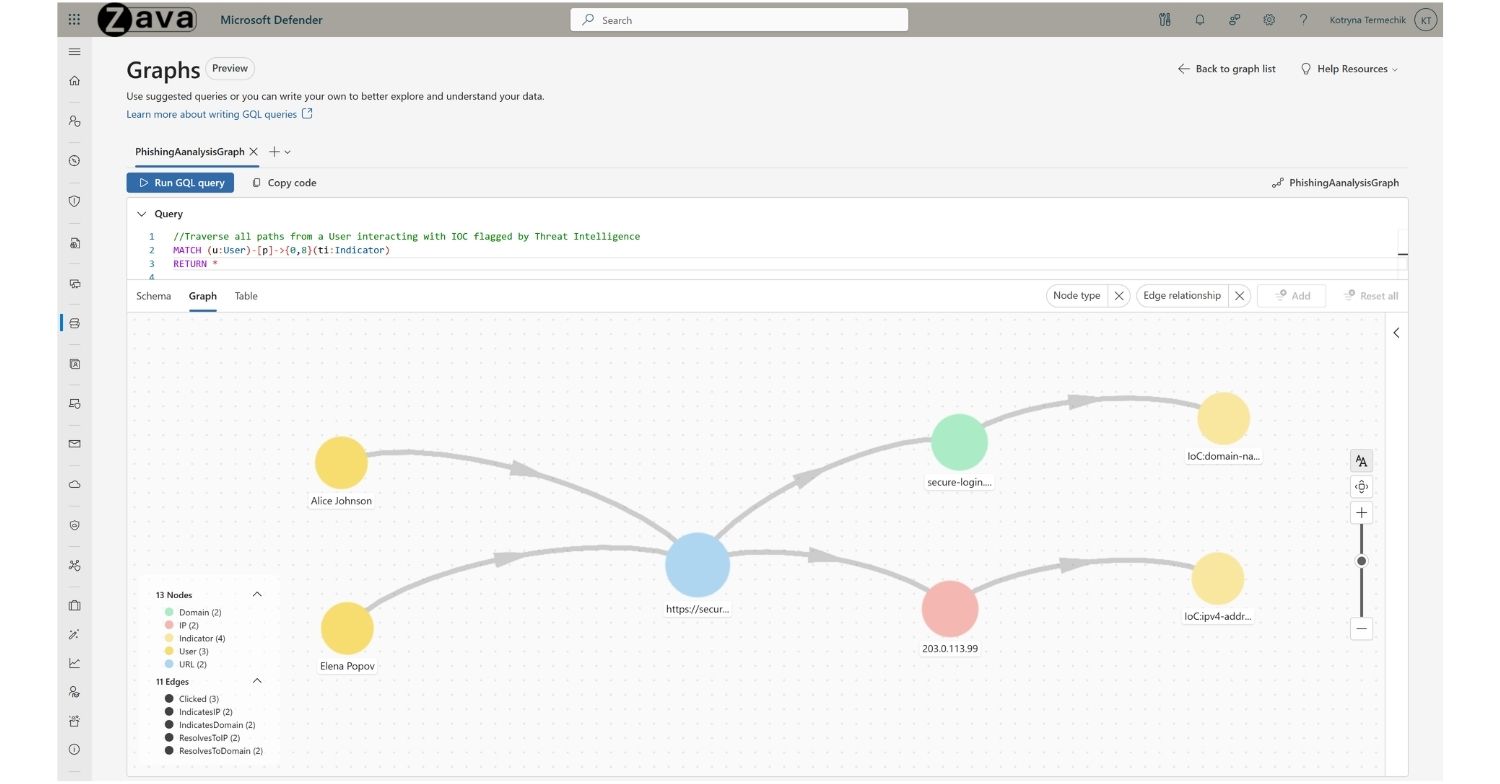
As part of RSAC 2026 happening this week, the Microsoft Sentinel team announced that Microsoft Sentinel Graph will support custom security graphs in public preview starting on April 1, 2026.
Blog author Suresh Palani explains that custom graphs let you build security graphs tailored to your unique security scenarios using data from Sentinel data lake as well as non-Microsoft sources. With custom graphs, you can uncover hidden patterns and attack paths, and help surface risks that are hard to detect when cybersecurity data is analyzed in isolation.
In case you missed it, Microsoft Sentinel Graph was announced in public preview last October (previously covered by the Weekly Edge) and then Sentinel Graph hit GA two months later. It was Microsoft’s John Lambert who once said, “Attackers think in graphs. Defenders think in lists,” but now with Sentinel Graph, defenders can think in graphs too.
[Repo + Paper:] Generate Synthetic RDF Knowledge Graphs + OWL Ontologies with PyGraft-gen
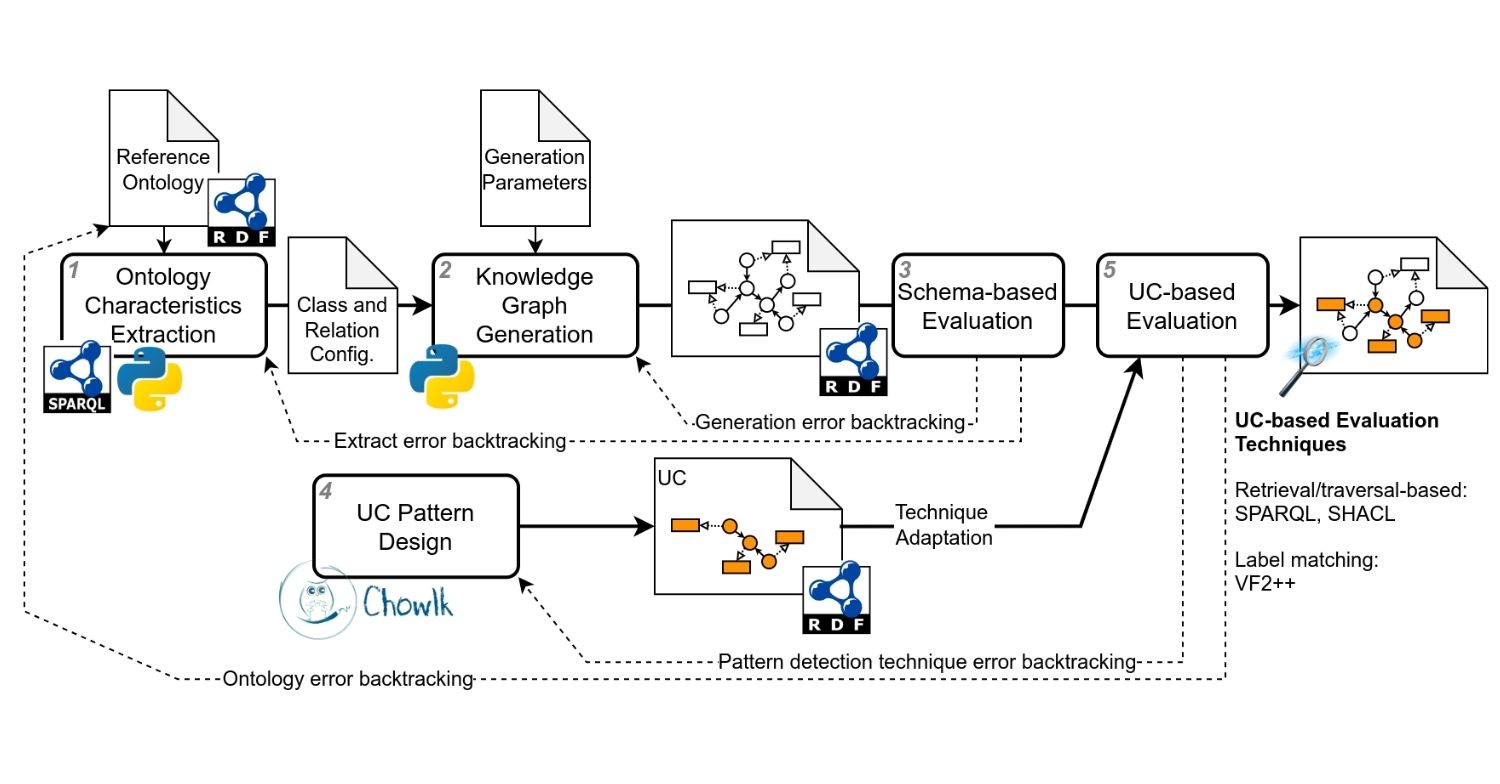
RDF users and developers will appreciate a big open source repo (+ a research paper preprint) from the Orange and Zalando teams that dropped earlier this week.
PyGraft-gen uses stochastic generation to produce synthetic RDFS/OWL ontologies and RDF knowledge graphs with reliable structure while respecting OWL constraints, making it ideal for testing AI pipelines, benchmarking graph algorithms, and research scenarios where real data is sensitive or unavailable.
Project contributors and co-authors Nicolas Hubert, Lionel Tailhardat, and Ovidiu Pascal knew the challenge of generating synthetic RDF knowledge graphs that are simultaneously ontology-compliant and structurally realistic. Comparing two previous generation paradigms, they created PyGraft-gen (an updated fork of PyGraft) and tested its effectiveness via three subgraph matching techniques – SPARQL, SHACL, and VF2++ – to verify that the generated knowledge graphs reflected realistic domain patterns.
Whether you’re hands-on or more theoretical, there’s lots to dig into with this one.
[ICYMI:] Explore the Epstein Files as a Graph Visualization
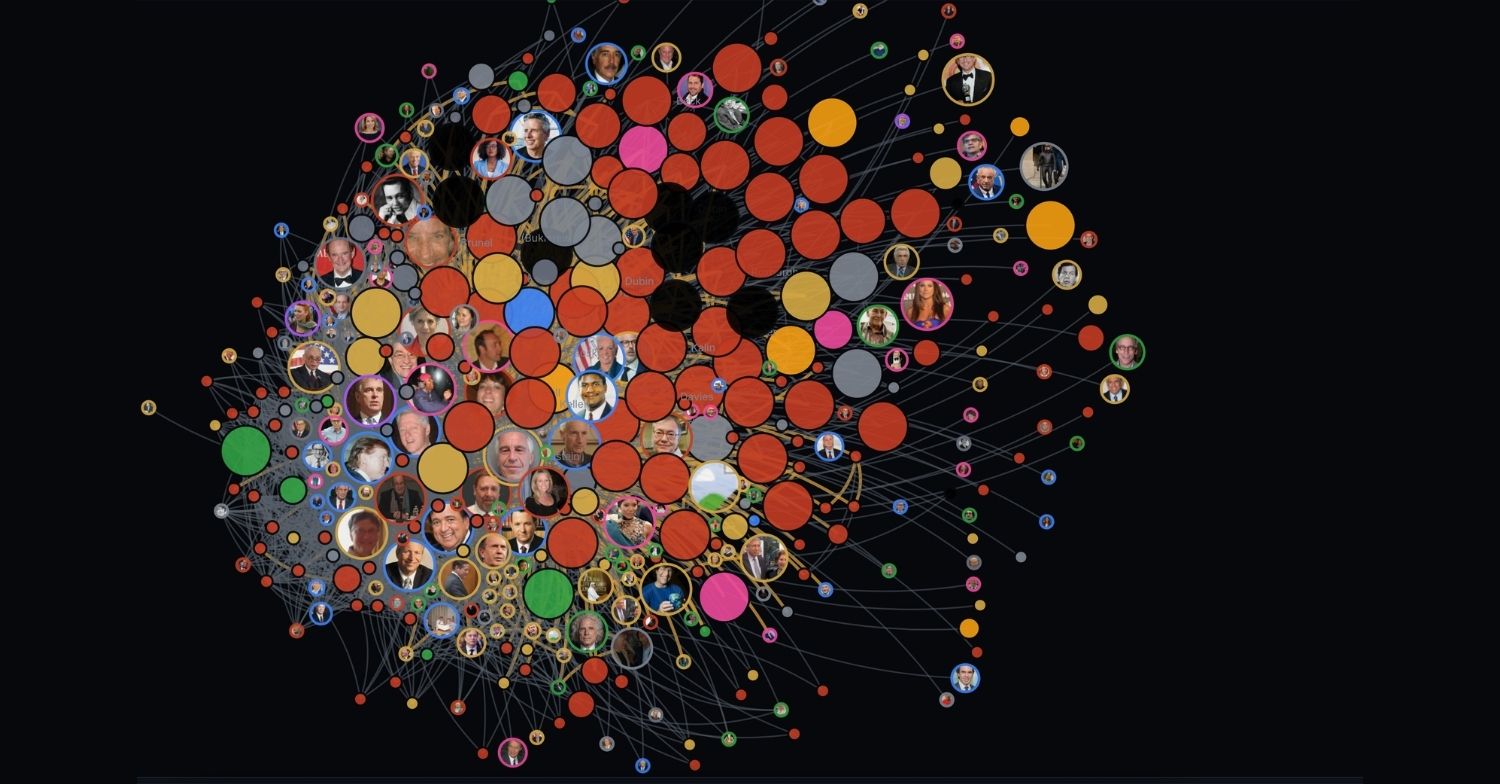
The Epstein Files have been all over the media the past few months, and now you can explore the trove of publicly available data about Jeffrey Epstein and his human trafficking network using a network graph visualization. Originally launched in February 2026, the Epstein Exposed database was recently covered by WIRED magazine and continues to add more information on a regular basis.
The comprehensive, publicly accessible database of the Jeffrey Epstein case files indexes over 2,146,580 documents, 1,603 persons of interest, 3,615 flight records, and 1,783,792 emails from U.S. court records, DOJ releases, FBI disclosures, and congressional investigations. The site features interactive tools including a network graph, flight map, forensic calendar, email viewer, research chat, document review queue, and cross-reference search.
Created by indy data engineer EricKeller2, Epstein Exposed is free, open source, and entirely community-funded. The project is not affiliated with any government agency, law firm, media organization, or political party. It’s also a perfect graph viz use case.
P.S. GoogleSQL support is coming to gdotv! Check out Joe’s Dev Preview vid to see it in action. 🧑🏽💻
P.P.S. I first met Philip Rathle – CTO at Neo4j – when he was interviewing me for a job. A decade later, I finally got to put him in the interview hot seat. 😏
P.P.P.S. Got an item to nominate for the next edition of the Weekly Edge? Hit me up at weeklyedge@gdotv.com. ✍🏽

![gdotv Adds Multi-Graph Connections & Automatic Data Models [v3.74.142 Release Notes]](https://gdotv.com/wp-content/uploads/2026/08/multi-graph-connections-automatic-data-models-gdotv-v3-74-142-release-notes-banner.webp "gdotv Adds Multi-Graph Connections & Automatic Data Models [v3.74.142 Release Notes]")