G.V() Snatches Up £500,000 in First Cheque Investment from Techstart Ventures
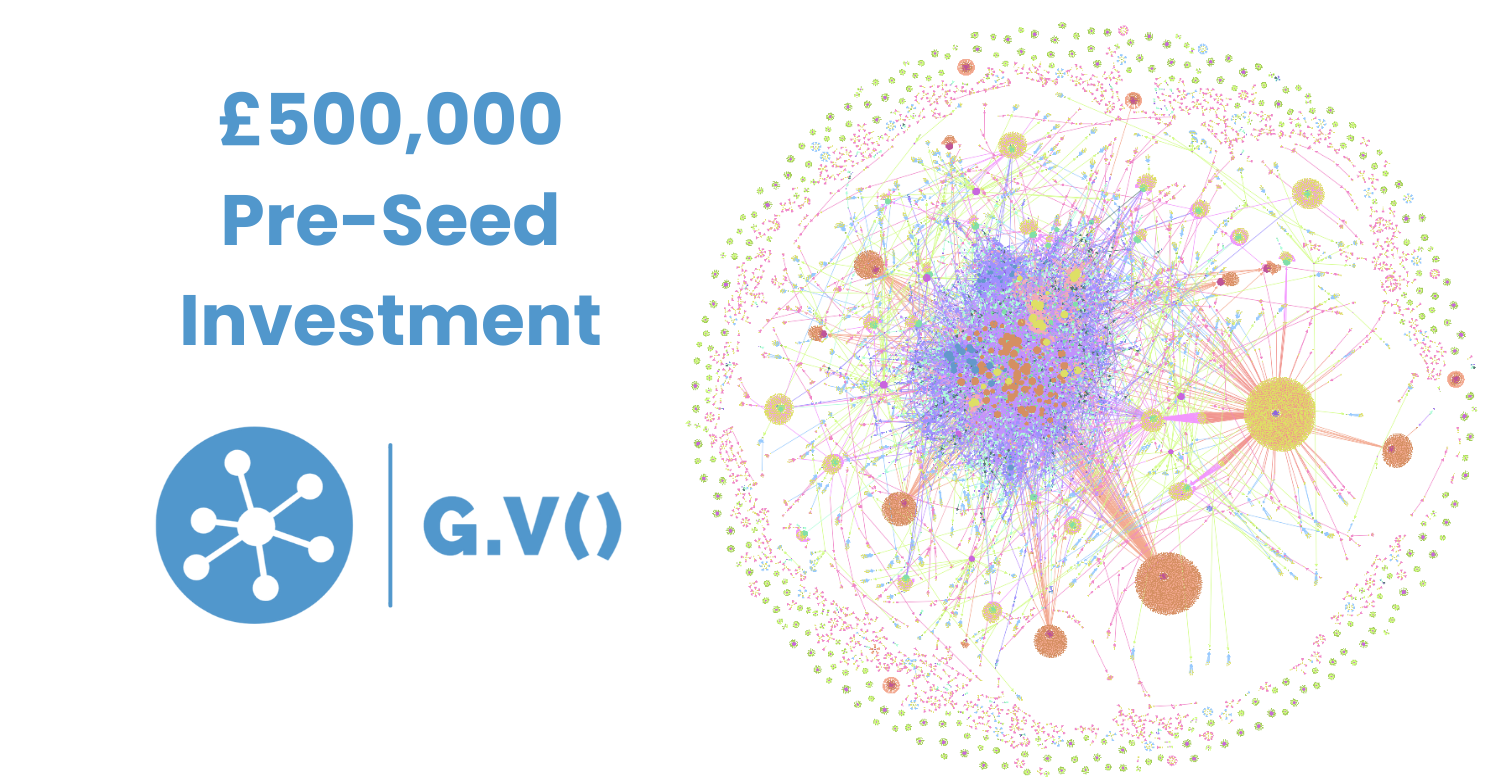
Today, I’m thrilled to announce that the G.V() team has received a £500,000 (US$658,000) first cheque investment round from VC firm Techstart Ventures.
It’s been a long road to arrive at this moment. I’m amazed by the many milestones we’ve achieved to get here, and I’m thankful for the many people who helped us out along the way.
First up, I’d like to thank Mark Hogarth, Partner at Techstart Ventures, along with the rest of the Techstart Ventures team for putting his faith in the G.V() team, and the vision we have for the future of graph technology tooling. As a Glasgow-based startup, we’re also proud and honoured to be backed by a leading VC firm based here in Scotland. (If you’re so inclined, check out the official press release and the G.V() media kit.)
There are, of course, many more people to thank, but before I get to them all, I’d like to tell you the story of how we got to this moment.
From First Idea to First Cheque
When I first began building G.V(), I never imagined that my fun side project would become the startup it is today.
I had been stuck at home during the COVID-19 pandemic, and I figured it would be a good time to refresh my coding skills. I had never used a graph database before, but then a job interview had given me a technical exercise that required me to use one.
As I dove into the world of graphs, I quickly discovered that there was no console or other easy tool to write, debug, or visualize Gremlin queries – so I built one.
In time, that became a more dedicated side project. It wasn’t until November of 2021 that I posted on the Gremlin-users Google Group about the open beta for “a new IDE to support your every day Gremlin work.”
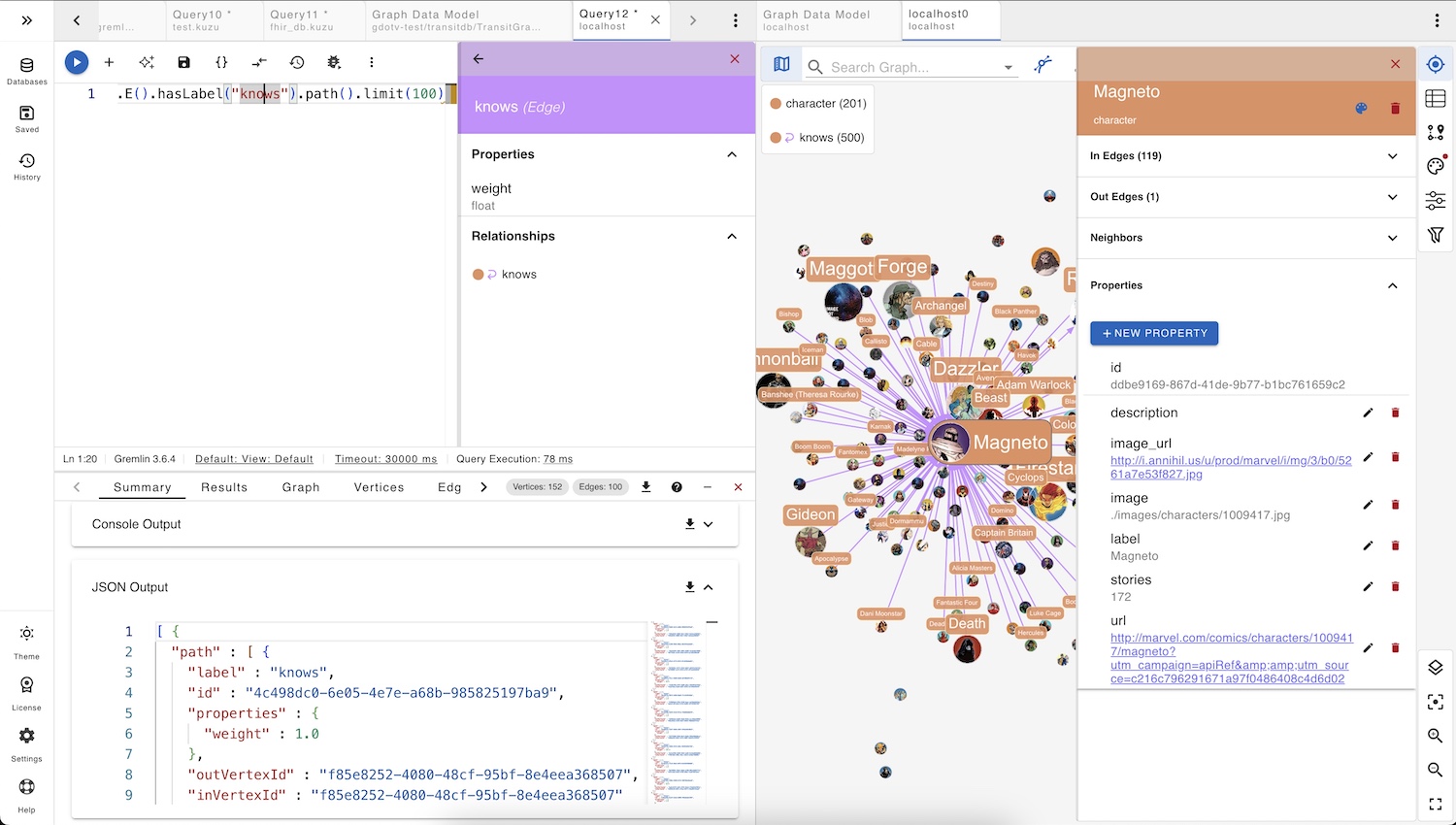
I figured if others could use this as well, why keep it to myself? There was no reason not to share it. Over time, I received loads of user feedback, constantly improving and expanding the product until it became something I could charge enterprise customers for, while still retaining various free options for everyday developers. Turns out, the market had been looking for a graph database IDE for a long time, and I gained enough traction with customers to fully bootstrap a startup.
Four years later almost to the day – and with 6 more team members – we’ve closed our first investment round. What began as a solo side project has become a group undertaking, and all the vital user and customer feedback over the years has made it a community effort.
A Round of Gratitude
In getting us to this investment round, I’d particularly like to thank a few people who gave G.V() some early support, belief, and much-needed feedback.
To begin, I owe a debt of gratitude to Stephen Mallette – a long-time contributor to Apache TinkerPop™ – who took an early interest in G.V() and helped me believe that the project had a future and strong user demand behind it. (You were right, Stephen!)
Next, I’d like to thank Max Latey from Pinboard Consulting. Max has a lot of industry expertise and has always been willing to chime in with helpful opinions when needed.
Finally, a big thank you to Amy Hodler of GraphGeeks who’s been such an early supporter and fan. Amy has given me lots of mentorship and feedback on the business side of running a graph tech startup, and she has a lot of clout within the graph community that has been a vital source of inspiration.
To these folks above and all of our other customers, fans, partners, and users: thank you. Your support, guidance, cheerleading, and advice were essential to getting G.V() to this crossroads of opportunity.
An Evolving Product for an Evolving Space
In the earliest version of the product, G.V() was a graph database client specifically designed to help users of the Gremlin query language. (In fact, the name “G.V()” comes from the usual start of a Gremlin query searching the graph for a particular vertex.)
Gremlin is a powerful graph query language, but it has a steep learning curve, especially for developers coming from a SQL background. In those early days, G.V() helped developers write, debug, and test their Gremlin queries in a way that no other tool was doing at the time (and still isn’t).
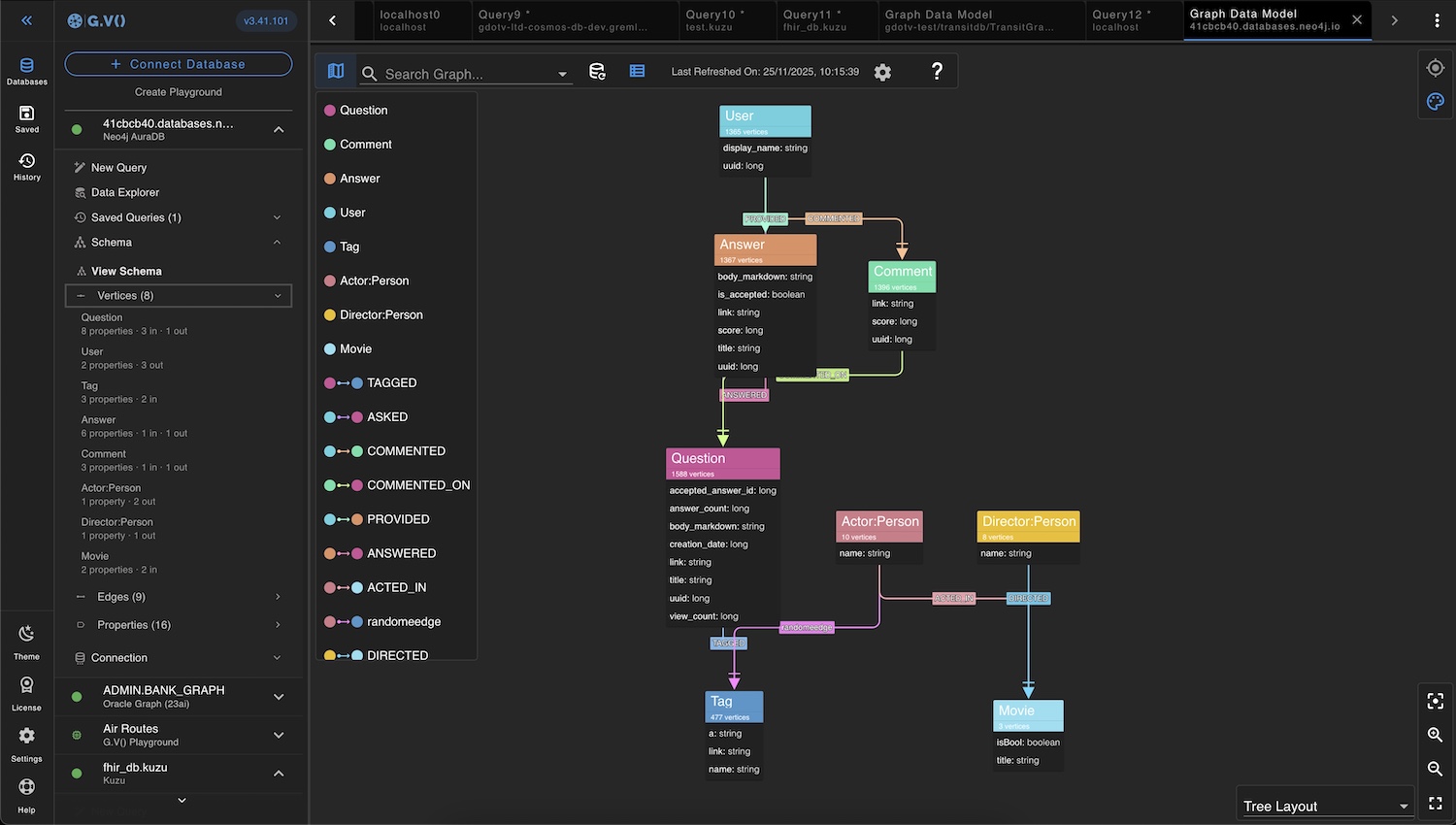
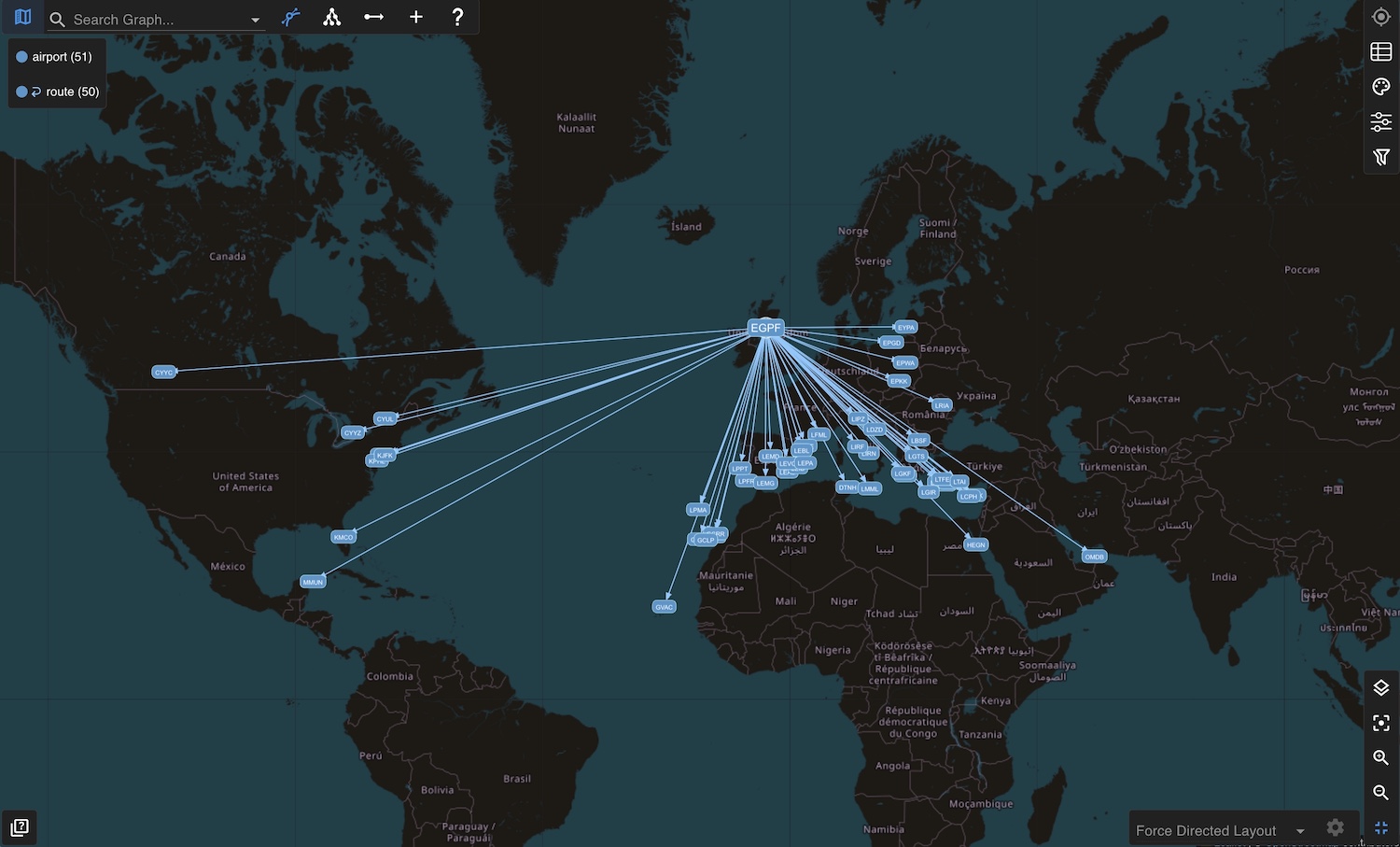
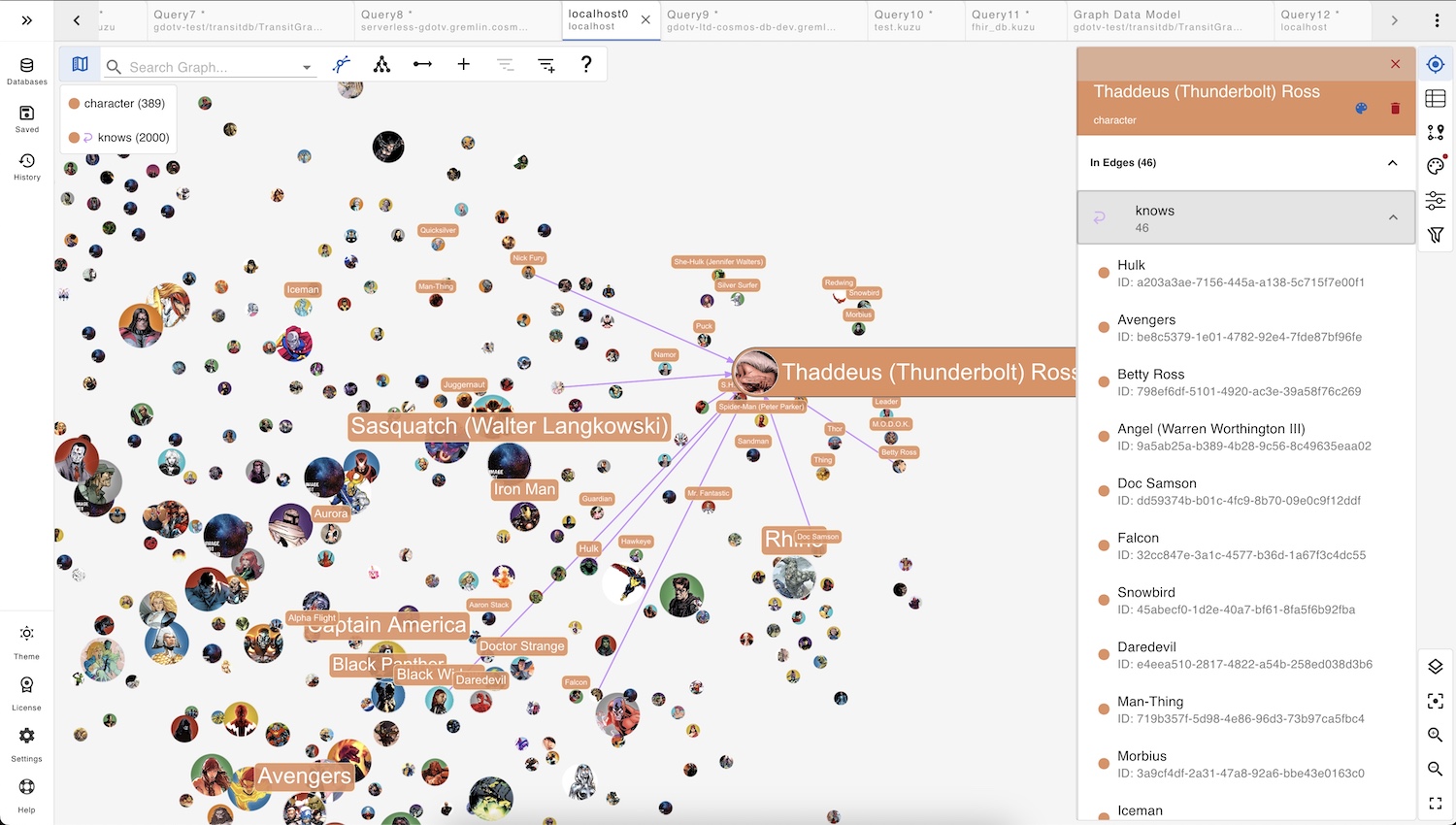
Other functions like data model tracking, interactive editing and exploration, and graph visualization were natural next steps for anyone working with a Gremlin graph database. It was a niche where we could deliver real value.
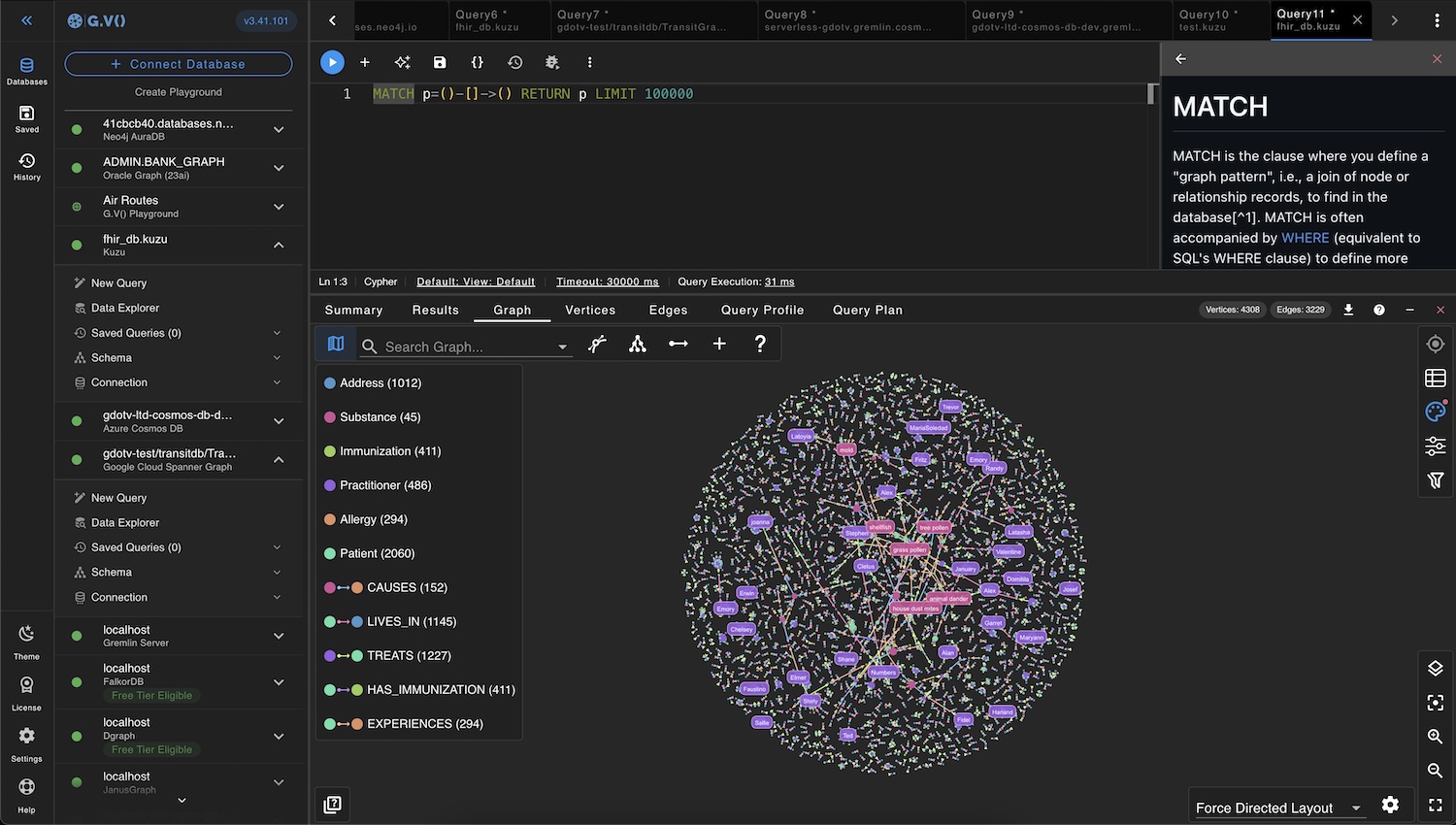
As the base of Gremlin users continued to grow, we added support for more labeled property graph databases, especially Cypher users along with other query languages like DQL, SQL:2023, and more. With support for Google Cloud Spanner Graph earlier this year, we supported our first case of ISO Graph Query Language (GQL). And just a few weeks ago, we announced support for RDF triplestores and the SPARQL query language. As more graph database developers use G.V(), we’ll continue to expand support for more databases and query languages.
Today, G.V() partners with 26+ database and query engine vendors. Meanwhile, our wide customer base – including several long-time Fortune 10 and FAANG customers – keeps growing into new industries, use cases, and geographies.
 A perfect case study of how G.V() is helping organizations tackle the challenges of connected data and improve the developer experience is one of our earliest customers: eLumen. I encourage you to read the eLumen story and learn how G.V() increased productivity and improved the developer experience for their team.
Looking Ahead
So, what’s on the horizon now that G.V() has received its first cheque pre-seed investment? Two words: Business Intelligence.
Production-ready graph projects too often suffer from a lack of plug-and-play business intelligence tooling. Without the ability to share connected-data insights across the organization, teams have to either build and maintain a costly internal solution – or fail to democratize graph data insights among non-technical colleagues.
With this new investment round, G.V() aims to help organizations make the most of their graph data. We’re building the full tooling stack for graph database users: from developers with our Integrated Development Environment (IDE) to analysts and business users with our upcoming Enterprise Version, featuring powerful data insight features such as BI dashboarding, graph exploration, and reporting.
The power of graph thinking shouldn’t be confined to only developers but to every member of an enterprise team, whether technical or non-technical, whether they’re familiar with graphs or just getting started.
What’s Next for G.V()
Again, we’re thankful to the Techstart Ventures team for catching our vision of a more empowered and productive graph community – whether that’s developers and data scientists or analysts and business users. With this first cheque, we can make more of that vision a reality.
With a solid product foundation beneath our feet and a strong customer demand in the marketplace, I’m looking forward to building the future of graph tech tooling. I hope you’ll join us for the journey.
Follow along with the G.V() team: Sign up for our monthly newsletter.
For media inquiries, please contact Bryce Merkl Sasaki at media@gdotv.com.
Got a graph database? Try out G.V() for yourself and let me know what you think.

![Cypher DISTINCT: Removing Duplicates from Results [Byte-Sized Cypher Series]](https://gdotv.com/wp-content/uploads/2026/02/distinct-clause-byte-sized-cypher-query-langauge-video-series.jpg "Cypher DISTINCT: Removing Duplicates from Results [Byte-Sized Cypher Series]")