The Weekly Edge: New Hydra Head Emerges, Autonomous Networks, Ontology Modeling Tips, & More
Wow! 🤩 Thanks to Daylight Saving Time, this edition of the Weekly Edge is coming to you an hour earlier than last week (but only if you’re one of the dozens of people living outside of North America). Either way, best to read it with a cup of coffee. ☕
If you’re just joining us, this weekly tl;dr of graph tech news brought to you by the gdotv team rounds up everything you need to read, watch, or catch up with from the past seven-ish days across the wide world of graph technology.
This week’s headlines take you to every corner of the map:
- Another head, another milestone: The Hydra language is now mutual self-hosting
- Graph > Database: A data engineering interview with Weimo Liu of PuppyGraph
- Is this your first ontology rodeo? Ashleigh Faith has some modeling tips for you
- Graph neural networks for telecom: How Google Spanner Graph helps make it happen
- Touch grass and graphs: Here are the hot graph events happening IRL this spring
// It’s time to level up your graph game: Query, explore, edit, and visualize your connected data with the gdotv graph IDE. Try it out with a 1-month, no-fuss free trial.
Let’s get started.
[News:] Hydra Graph Programming Language Grows More Heads
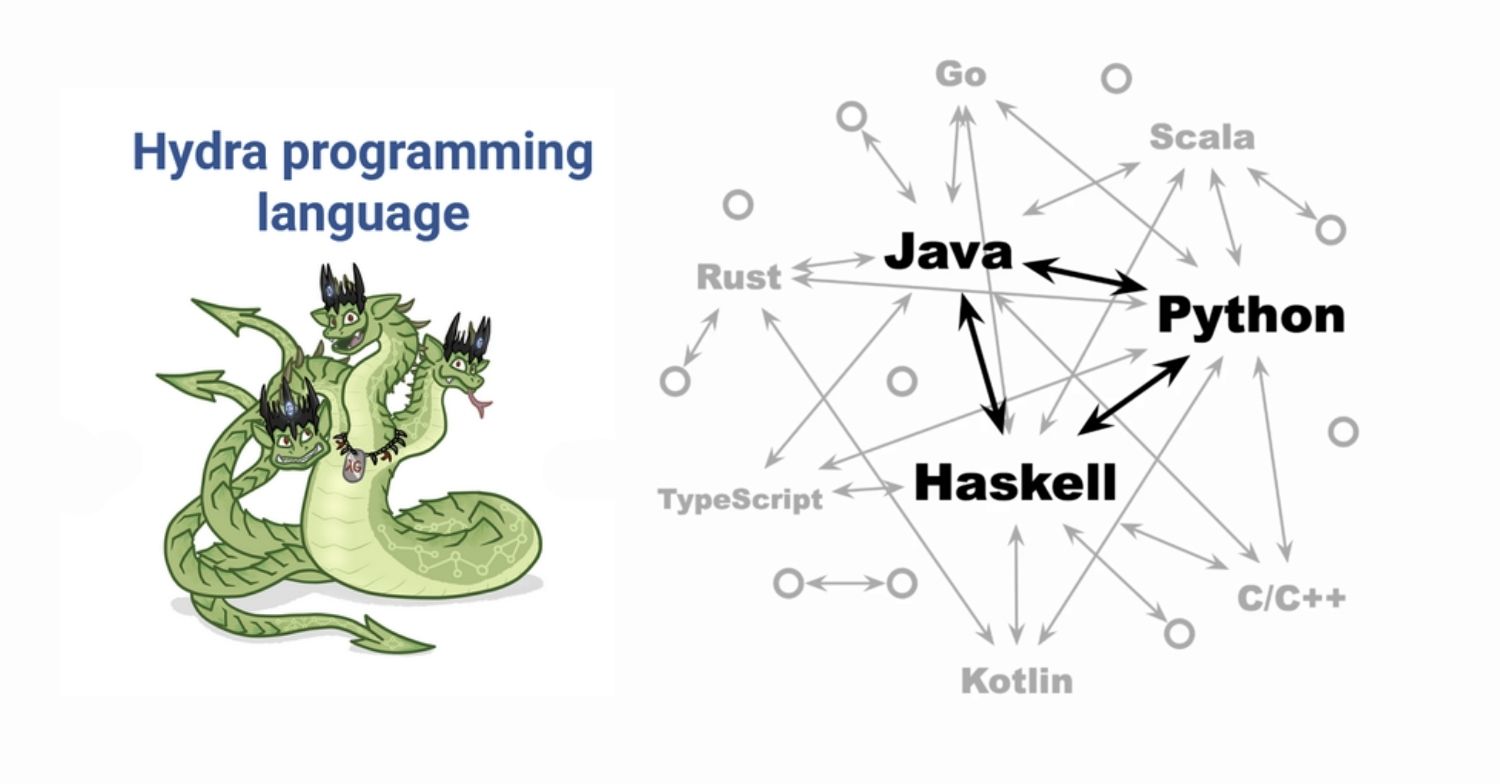
In case you hadn’t heard, Hydra is the new cool kid on the graph tech block, and this week, it got even cooler. The graph programming language and brainchild of Joshua Shinavier just reached an essential milestone toward its forthcoming 1.0 release: mutually self-hosting.
The language is based on a correspondence between graphs and lambda calculus, and it has recently become what Joshua calls a translingual programming language: Hydra programs, including the Hydra kernel itself, can be compiled into multiple target languages while preserving the program’s semantics.
Right now, Hydra has three heads: Hydra-Haskell, Hydra-Python, and Hydra-Java, but it’s already growing more, with Hydra-Scala, Hydra-Rust, and Hydra-Go next on the roadmap. Mutual self-hosting (this week’s special news) means that now each head is capable of generating all Hydra kernels, including its own. For more info, watch the announcement video or dive into the bootstrapping demo.
In case you’re like me and don’t your lambda calculus from your normie calculus, my colleague Amber Lennox put together a beginner’s demo on what’s possible with using Hydra on a typical graph use case. Hail Hydra!
[Interview:] Weimo Liu of PuppyGraph on the Data Engineer Things Newsletter
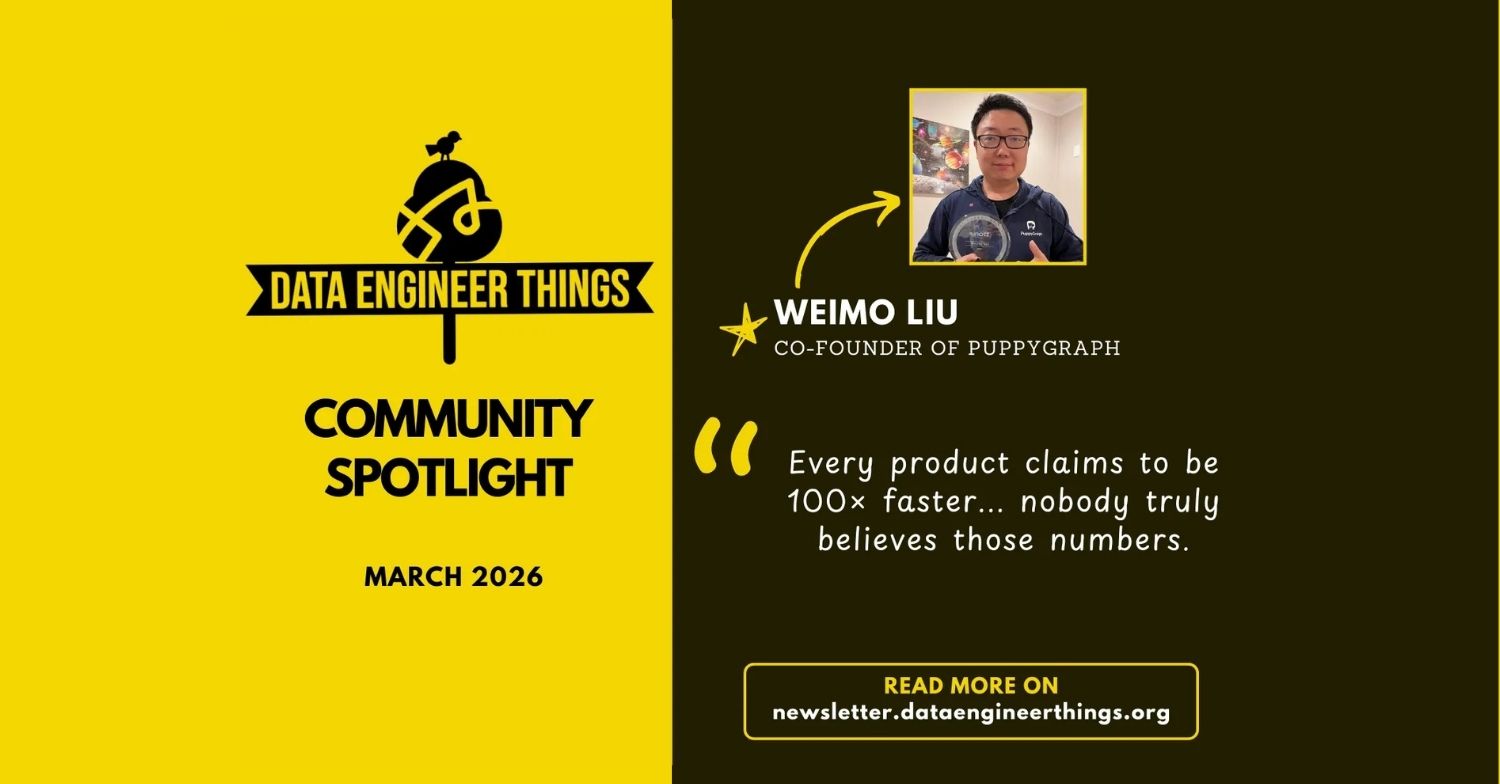
For the Data Engineer Things Newsletter, Swetha Sekhar from OpenAI recently interviewed Weimo Liu, CEO and Co-Founder of PuppyGraph – a gdotv technology partner – about the state of data engineering and graph technology.
In this meaty, full-length interview, they discuss why graph ideas have been academically compelling for decades, why production adoption is still hard, and how “scale” in industry changes what success even means. Weimo walks through the shift from chasing benchmark wins to optimizing for cost and operability – and shares a provocative approach to graphs: running a graph query engine directly on modern table formats like Apache Iceberg, instead of asking enterprises to migrate and reload everything.
If you’re graph curious but graph database skeptical, this is a good one to sit down and read in full.
//
[Watch:] Ashleigh Faith’s Top 10 Data Modeling Tips for Ontology & Graph
Ashleigh Faith has been modeling knowledge graphs and ontology data for almost two decades. As the Ms. Frizzle of Graphs, she knows a thing or two about the graph universe and also has a great knack for teaching it to others.
In this week’s watch, Ashleigh shares her top 10 tips and tricks for starting your first (or second) modeling project. While her tips have a heavy focus on RDF-based graph models, the principles are deep enough to be useful for almost any graph data modeling project.
The tip that surprised me the most? #5: Don’t start with ontology constraints right away. If you like this video, consider subscribing to Ashleigh’s channel.
[Read:] Autonomous Networks with GraphML on Google Spanner Graph
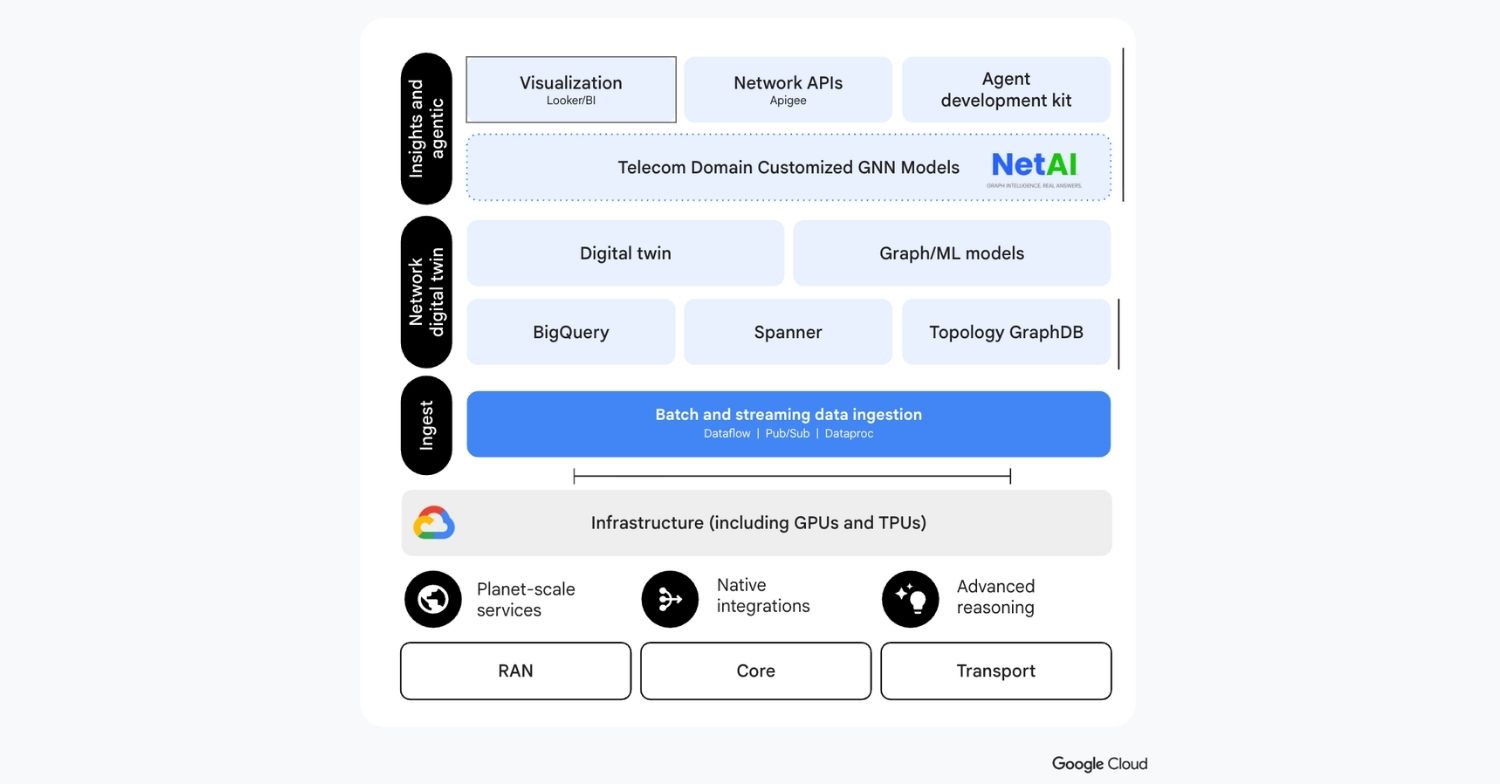
I don’t normally share corporate-y case study content on the Weekly Edge, but when I do, that means I think there’s something of worth to a wider audience. In this case, it’s the return of graph neural networks (GNNs) to aid in autonomous networks hosted on Google Spanner Graph.
These days, communication service providers (CSPs) are moving toward autonomous networks – self-managing telecommunications networks that use machine learning and closed-loop automation to self-configure, self-optimize, self-heal, and self-secure with minimal human intervention. But to do that, CSPs need a real-time digital twin of their entire network.
The Spanner Graph team is helping their CSP customers build these digital twins and capture billions of dependencies in a graph data model – including towers, nodes, devices, antennae, transponders, etc. The CSPs can then run advanced graph machine learning (GraphML) and graph neural networks (GNNs) on the digital twin to analyze, predict and proactively remediate potential problems on the live network. Fascinating stuff that might inspire your next graph use case.
[IRL:] Global Graph Community Events Happening This Spring
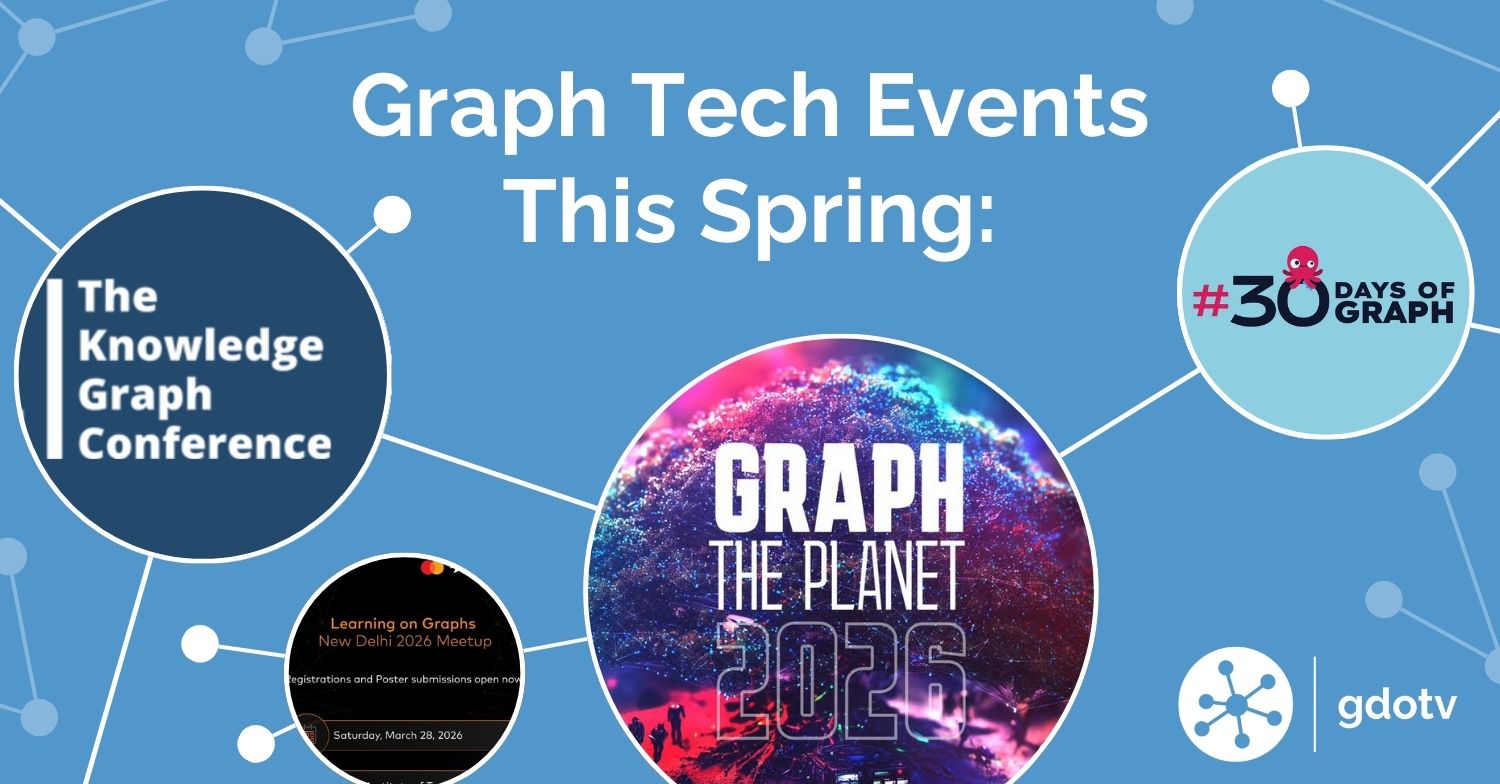
Go outside and make friends, they said. Touch grass, they said. Well, here’s your chance to keep things graphy while still doing both!
There’s no shortage of graph technology events, conferences, meetups, and more happening all around the globe, but here are my editor’s picks of some of the top events to put in your calendar happening this spring (or autumn, you know who you are). I’ll even be at one!
>> Meet me (Bryce) at Graph The Planet 2026 happening in San Francisco on March 23. Register here.
>> Join an interdisciplinary community at the Learning on Graphs (LoG) Meetup in New Delhi on 28 March. Request to join.
>> Who needs grass anyways? Join the #30DaysofGraph community challenge hosted by GraphGeeks online starting on March 20th. Get started.
>> Attend a Neo4j GraphSummit happening next in Munich (17 March) and in Paris (14 April) but with events happening across Europe and North America in 2026. Sign up here.
>> Learn and network with knowledge graph experts – plus the gdotv team! – at the Knowledge Graph Conference in New York on May 4-8. Get your ticket today.
Psst! Want to see more graph community event listings like this one? Let me know as I’m thinking of making it a series. Hit me up: weeklyedge@gdotv.com.
P.S. Broke: codebase review. Woke: codebase RAG. Bespoke: knowledge graph analysis of your codebase RAG. 😎
P.P.S. Don’t miss my Graph Chat interview with David Hughes from Enterprise Knowledge on multimodal GraphRAG and agentic observability! 🧙🏻♂️
P.P.P.S. Got an item to nominate for the next edition of the Weekly Edge? Hit me up at weeklyedge@gdotv.com. ✍🏽