The Weekly Edge: Google Spanner Graph Algorithms, Neo4j Acquires GraphAware, Fisheries Knowledge Graph
Happy Thursday!
We’re back at it, once again keeping you updated on the latest graph news. We’ve got a real variety this week: updates from the business world, tech world, academic world and even the gdotv world!
Headlines this week:
- A new member in the family: Neo4j has acquired GraphAware, meaning the security-oriented GraphAware Hume product is no longer simply built on Neo4j, but a full part of the Neo4j ecosystem.
- Tell me more, tell me more: Google Spanner Graph added new graph algorithm support, enabling you to get even more insights out of your Spanner graph data.
- Look, I’m on TV! A discussion of the industry and recap of our workshop feature in a video interview with gdotv at KGC.
- New threads are being woven into Microsoft Fabric as the first components of Fabric IQ become generally available, including Fabric Graph!
- Sail the seven seas (or just the ones around Europe) with the release of the European Fishing Fleet Knowledge Graph, collating data into a somewhat damp, but nonetheless robust, semantic dataset.
If you’re new here, the Weekly Edge is your weekly tl;dr of graph technology news curated by the team at gdotv, giving you all the reads, repos, vids, and walkthroughs worth exploring from the past seven-ish days (or so).
 * It’s time to level up your graph game:
 * Query, explore, edit, and visualize your connected data with the gdotv graph IDE
 * Try out the free dev tier or upgrade to a 1-month, no-fuss free trial.
[News]: Neo4j acquires GraphAware
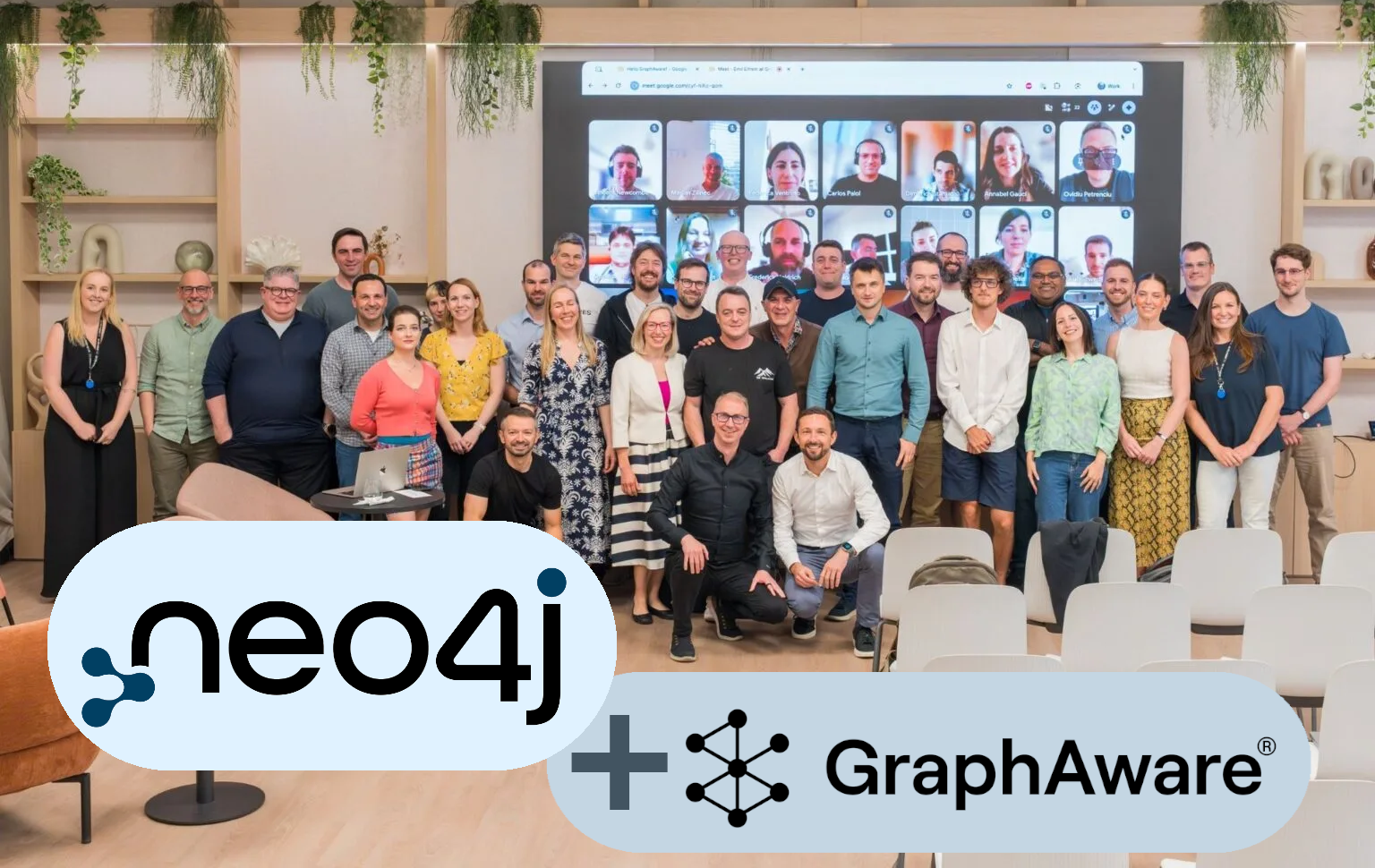
Big news from the business side of things. Neo4j, the well-known pioneer and titan of the graph world, has acquired GraphAware. GraphAware is a software and consulting firm now best known for their flagship product, GraphAware Hume. This is a high-privacy and low-code service particularly targeted towards law enforcement, defense and LLM frameworks.
In some ways, this might not be entirely surprising, as ties between the companies have always been strong. GraphAware Hume is fundamentally a software stack built entirely upon a Neo4j base. As GraphAware founder and CEO Michal Bachman recounts, this decision goes all the way back to his early days working with Neo4j as an early graduate.
According to Backman, this acquisition was accelerated by a multitude of geopolitical factors, along with the impact of rapidly changing LLM technology. Since GraphAware has always been Neo4j-aligned, integrating GraphAware with the Neo4j ecosystem is a natural progression.
On Neo4j’s side, they have expressed they want the Neo4j + GraphAware combination to serve as an open standard alternative to e.g. black box solutions like Palantir Gotham. That could be a powerful argument, emphasising the urgency to maintain transparency and clear reasoning in decision-making, particularly when working with highly sensitive data.
If you’d like to integrate your Neo4j database with gdotv, you can learn more about that here.
[News]: Spanner Graph Algorithms
You may already be very familiar with Google Spanner Graph.
(If you’re not, don’t worry, it’s not hard to explain. Google Spanner is a relational data store, and Google Spanner Graph lets you derive graph-based analytics from your Google Spanner data. Just a simple, neat graph-on-relational solution. Easy, right?)
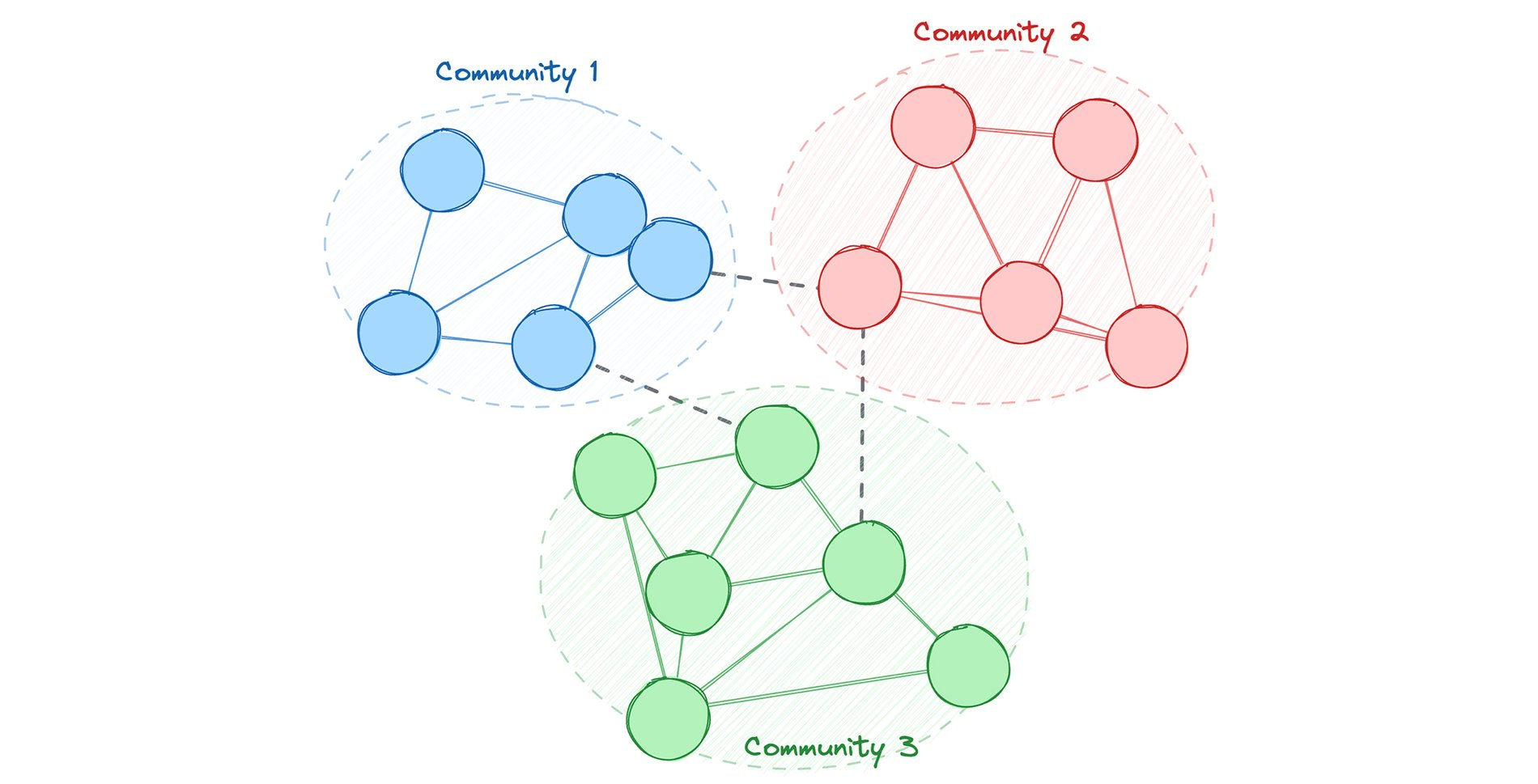
As we discussed in last week’s issue of the Weekly Edge, graph-on-relational is a bustling industry these days, so Google Spanner Graph is already targeting a hot niche in the market. We’re glad to see they haven’t rested on their laurels however, with the introduction of new graph algorithms. This includes algorithms for centrality, community detection and path finding, with an anti-fraud example included.
One of the great things about graph data is the potential for unique analysis that you just can’t do on relational data, so we’re really happy to see Spanner Graph heading in this direction. Graphs are always at their best when you take advantage of their strengths!
Of course, if you’d like to know even more about Google Spanner Graph, you can always check out our product summary page.
[KGC Interview]: gdotv Video and Workshop Summary
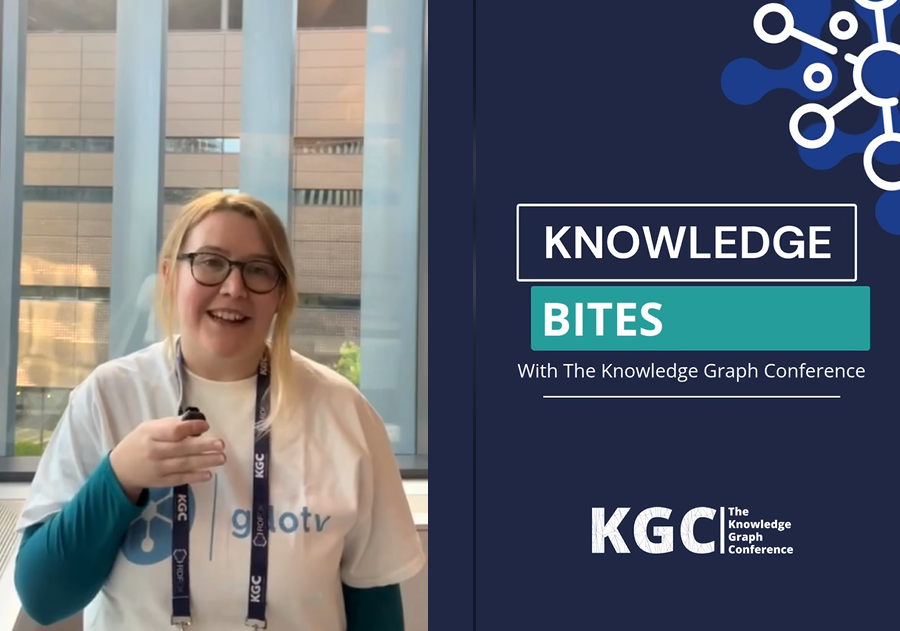
gdotv related news! KGC recently posted a short interview with our Developer Relations Engineer, Amber Lennox. (Talking in the third person is weird. I’ll self-report, that’s me. I’m Amber.)
In this video I briefly share a couple of thoughts on a critically important issue in the industry right now. Namely: how do we maintain accuracy and stability in our data given the arrival and proliferation of extremely high volumes of potentially incorrect, misleading or even malicious data due to LLMs? It’s not a problem I’ve solved, or know how to solve, but one that should absolutely concern us all.
I also discuss gdotv’s workshop for KGC. This is something I ran at the very last minute, so special thanks to Amir Hosseini and Bryce Sasaki for helping bring it all together in time. The workshop covered building your first Knowledge Graph from some basic relational data, with a featured appearance from Josh Shinavier‘s project Hydra. I’m a big fan of Hydra myself, and you can read a blog post I wrote about it earlier this year (the inspiration for this workshop!).
Overall, the workshop was a lot of fun, as was KGC itself. If you managed to catch it, I hope you found it informative!
[News]: Updates from Fabric, including Fabric Graph
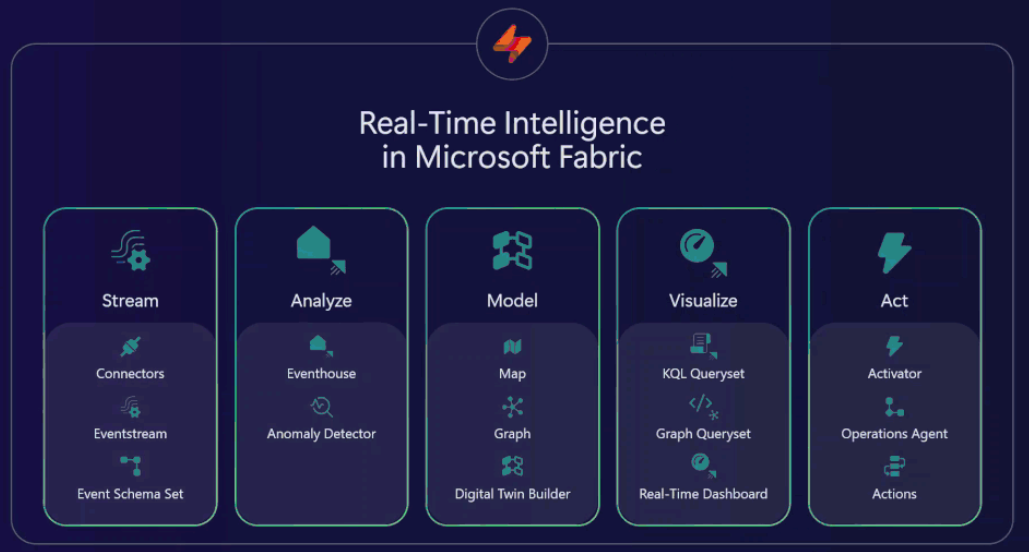
Parts of the upcoming Microsoft Fabric IQ service have just gone public – including new graph capabilities!
Before we get into that, what is Fabric IQ? As the name might suggest, Fabric IQ is a fusion of Microsoft Fabric (a broad analytics framework for businesses to centralize data management across the organization) with the broader “Microsoft IQ” vision (using contextual layers to make data more accessible to LLMs).
So, Fabric IQ is trying to bring LLM-compatible semantic understanding and reasoning to Fabric data. (Perhaps you can already see where a graph might come in handy?) Indeed, the Fabric IQ layer intends to comprise four independent components; Operations Agents, Graph, Planning and Ontology.
The first two (Operational Agents and Graph) have become generally available this week, meaning that Fabric Graph now brings native graph support to Fabric. The engine is GQL-based and is designed in classic graph fashion to make relationships in your data explicit. We expect its design to pair closely with Fabric Ontology, which is still in preview, and we’ll see how that unfolds.
[Dataset]: EFFKG Fisheries Data Release
For all the people out there, like me, who just love hoarding big datasets on esoteric subjects, this new item is for us.
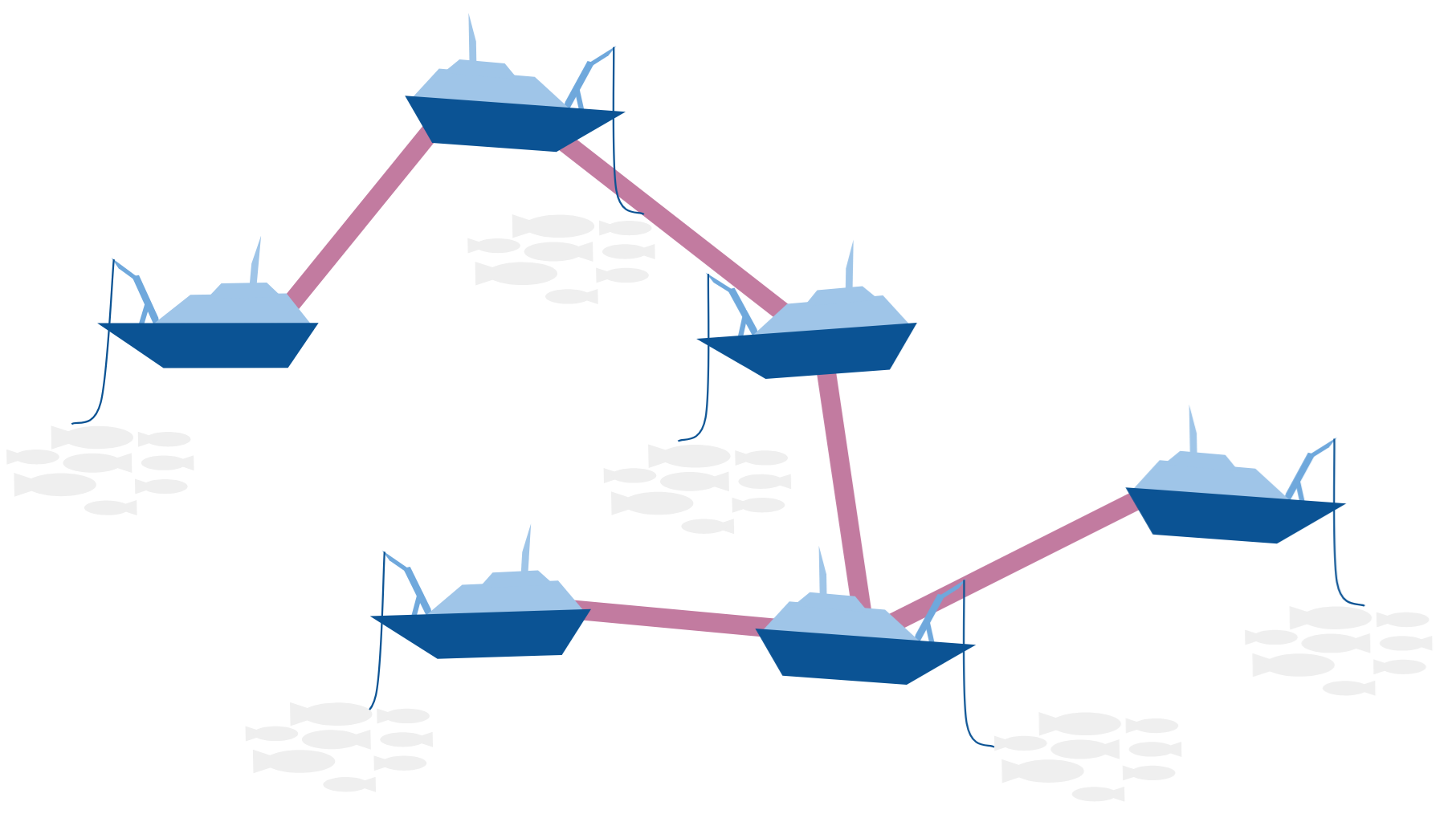
I’m very happy to let you know that the European Fishing Fleet Knowledge Graph (EFFKG) has just dropped. What is this? In technical terms, it’s a semantic collection of maritime data enabling entity reconciliation, provenance preservation, and cross-source integration. In simple terms, it’s a very big, thoroughly-researched graph of fishing data that you can play with.
What’s included? All kinds of things from gear to vessels to ports, sourced from publicly available repositories like the World Port Index and European Fleet Register. You can check out the data model for a better idea of how all the information links together. The dataset has a SPARQL endpoint and RDF dumps, along with Shape Expressions and example SPARQL queries.
The EFFKG originates from Spain, compiled by Enrique Rodríguez Martín at the Universidad de Oviedo. You can learn more about the project via the EEFKG GitHub.
If you do anything interesting with this dataset, please let us know! Maybe you’ll be featured in a future edition.
P.S. If that fishing data release hooked you in (ha ha) you might also be interested in reading about Amir’s ongoing deep dive into the TEG-DB Benchmark. The TED-DB is yet another big data release, this time aimed at representing natural language within knowledge graphs.
P.P.S. Have you checked out Graph Pulse? Since Neo4j have featured prominently not just this week, but last week as well, you might want to check out last week’s interview with Jeremy Adams at Neo4j for an insider perspective.
P.P.P.S. Got an item to nominate for the next edition of the Weekly Edge? Hit me up at weeklyedge@gdotv.com or hit reply! ✍🏽

![gdotv Adds Multi-Graph Connections & Automatic Data Models [v3.74.142 Release Notes]](https://gdotv.com/wp-content/uploads/2026/08/multi-graph-connections-automatic-data-models-gdotv-v3-74-142-release-notes-banner.webp "gdotv Adds Multi-Graph Connections & Automatic Data Models [v3.74.142 Release Notes]")