The Weekly Edge: BigQuery Goes Graph (Privately), a GQL Playground, a Knowledge Graph of Your Vibe Code & More
It’s time for another edition of your favourite graph tech tl;dr – but this Weekly Edge is the last of its kind. 🦄 🦕
Starting in March, this weekly roundup of graph technology news will publish on Thursdays instead of Fridays, so update your diaries and calendars accordingly (we are in your calendar, right?) and enjoy the last Friday edition ever. Until then, here’s everything you need to read, demo, fork, or listen to from the past seven(ish) days in the world of connected data – curated as always by the team at gdotv.
This week’s picks and headlines are something to write home about:
- Coming out as graph: Google BigQuery Graph makes its private preview début
- Like Duolingo for GQL: GraphGlot has you learning (and playing with) Graph Query Language
- 8 years in graph advocacy: Neo4j vet Jennifer Reif talks Cypher, Java, and OGMs (oh my!)
- Snap, crackle, graph: Build an intelligent photo search app with Neptune and friends
- Keep the good vibes rolling: session-graph keeps your AI coding sessions in a knowledge graph
// It’s time to level up your graph game: Query, explore, edit, and visualize your connected data with the gdotv graph IDE. Try out the free dev tier or upgrade to a 1-month, no-fuss free trial.
Let’s get started.
[News:] Google BigQuery Goes Graph (in Private Preview)
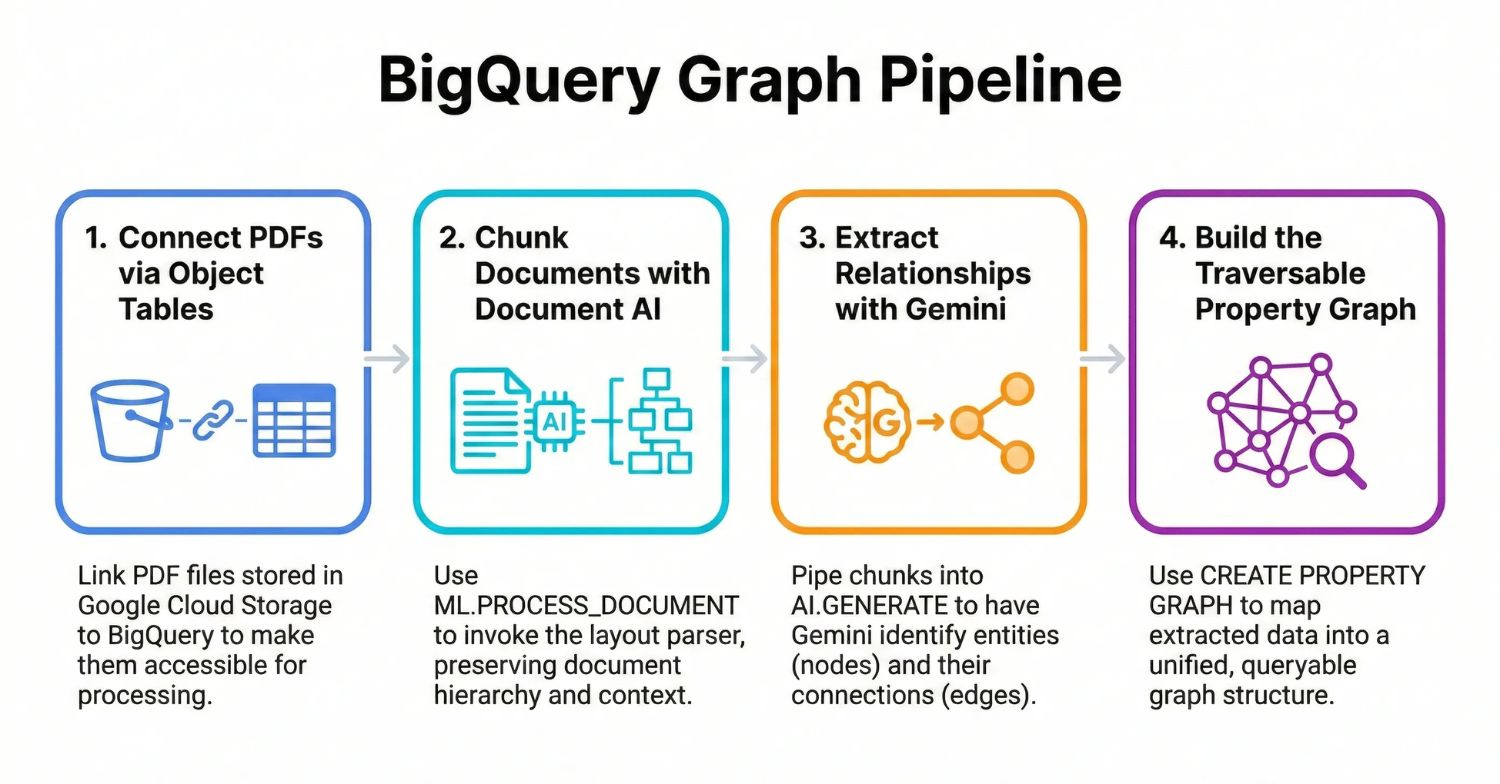
You didn’t hear it from me, because I’m just reporting the news that the Google Cloud team has already shared publicly: Google BigQuery Graph is now in private preview and here’s where you can totally sign up (privately).
But wait, what can you do with BigQuery Graph? How is it better or different than Spanner Graph? It’s your lucky day since Rachael Deacon-Smith, Dev Advocate at Google Cloud, has written up a three-part series on using BigQuery Graph
- Part 1: An Introduction to BigQuery Graph: From Dark Data to Knowledge Graphs
- Part 2: Tutorial: Build a BigQuery Graph from Unstructured Data
- Part 3: Query & Visualize Your BigQuery Graph Database
Our only beef? Why not just use gdotv to query and visualize your graph data in BigQuery? Because you totally can (we heard, privately).
[Tool:] GraphGlot: A GQL Playground
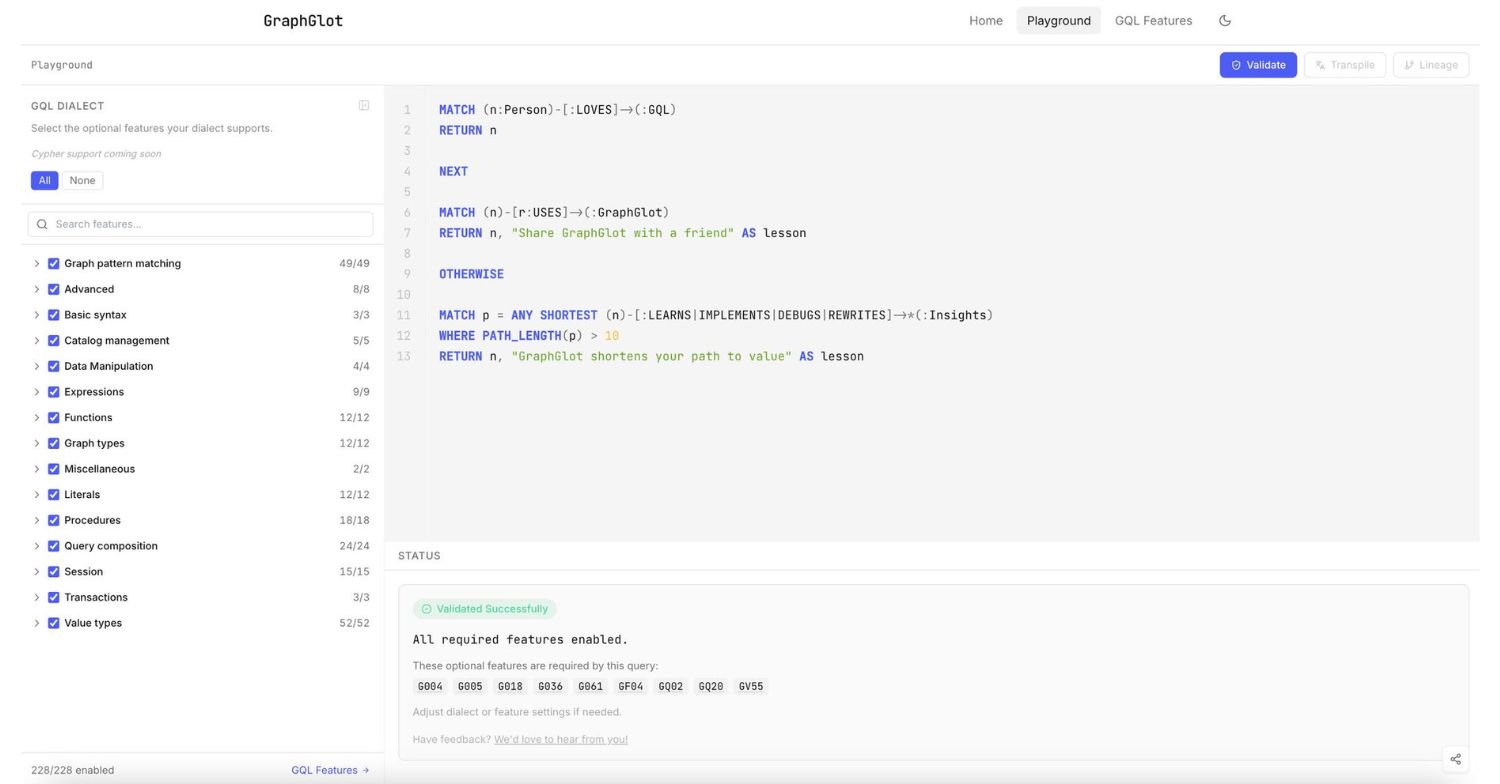
GQL – a.k.a. Graph Query Language – was created to standardize graph query languages the same way SQL standardized relational database queries, but while vendors are adopting GQL, the pickup has been slow.
Albert Verdeny has been building GraphGlot, a Python toolkit for GQL and Cypher, and this week he announced on LinkedIn that he’s sharing a free web playground where you can:
- Write a GQL query and instantly see if it’s valid
- See which of the 228 optional features your query requires
- Toggle features on/off to simulate different database engines
What are you waiting for? Go try the GraphGlot playground for yourself and start getting those GQL reps in.
//
[Listen:] Dev Advocate Jennifer Reif Talks Java, Cypher, OGMs, & More
My old Neo4j colleague and also the Hermione Granger of Graph Databases Jennifer Reif has a podcast called Breaktime Tech Talks: a bite-sized tech podcast for busy developers briefly covering technical topics, industry news, and more. It’s available wherever you get your podcasts.
But for this week’s listen, I wanted to highlight Episode 68. In it, Jennifer reflects on her eight years as a Developer Advocate at Neo4j including lessons learned and challenges overcome. She also talks about sharpening her Cypher skills, writing a chapter for a Java book, and she explores an article (featured on the previous edition of the Weekly Edge) on the weaknesses of using Object Graph Mappers (OGMs). And she covers all that in 15 minutes, so give it a listen.
[Read:] Build an Intelligent Photo Search Using Amazon Neptune + More
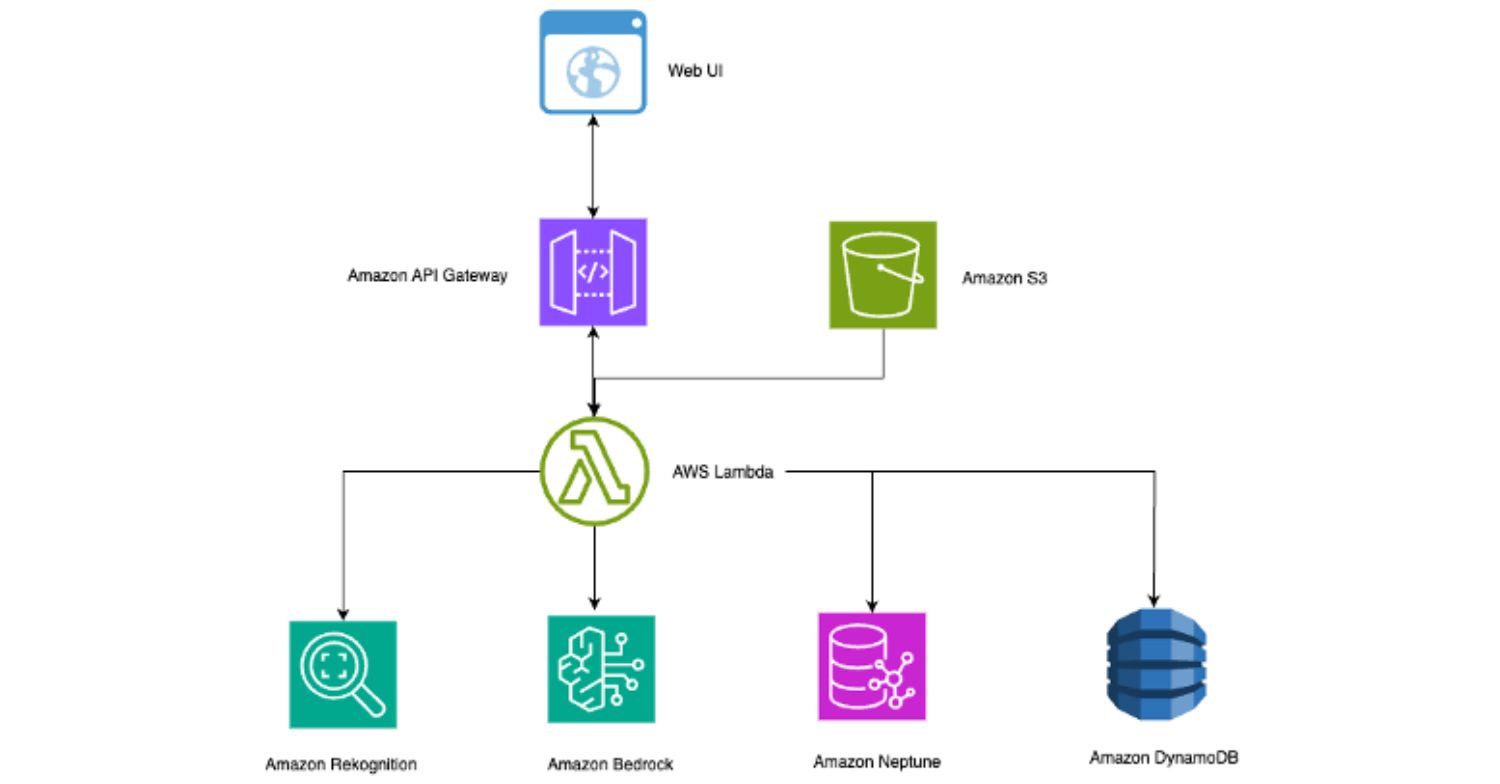
Trad approaches to managing photo collections rely on manual tagging, basic metadata, and folder-based organization, which all become impossible with scale – especially Amazon-level scale. But a properly architected intelligent photo search system addresses the challenges of scale with the tools to match: computer vision, graph databases, natural language processing, and more.
In this week’s read, Kara Yang and Billy Dean from AWS show you how to build a smart photo search system using the AWS Cloud Development Kit (AWS CDK) that integrates:
- Amazon Rekognition for face and object detection
- Amazon Neptune graph database for relationship mapping
- Amazon Bedrock for AI-powered captioning
The end product understands natural language queries like “Find all photos of grandparents with their grandchildren at birthday parties” so you can relive the good times with grandma without scrolling through millions of selfies.
[Repo:] session-graph: A Knowledge Graph of Your AI Coding Sessions
If you’re a developer who uses 5+ AI tools every day, the struggle is real: You debugged a Supabase auth flow in Claude Code last Tuesday, discussed the same pattern in ChatGPT a month ago, and asked Grok about JWT refresh tokens somewhere in between. None of these tools talk to each other.
Existing solutions give you search over one tool’s history, not structured relationships across all of them. session-graph fixes this.
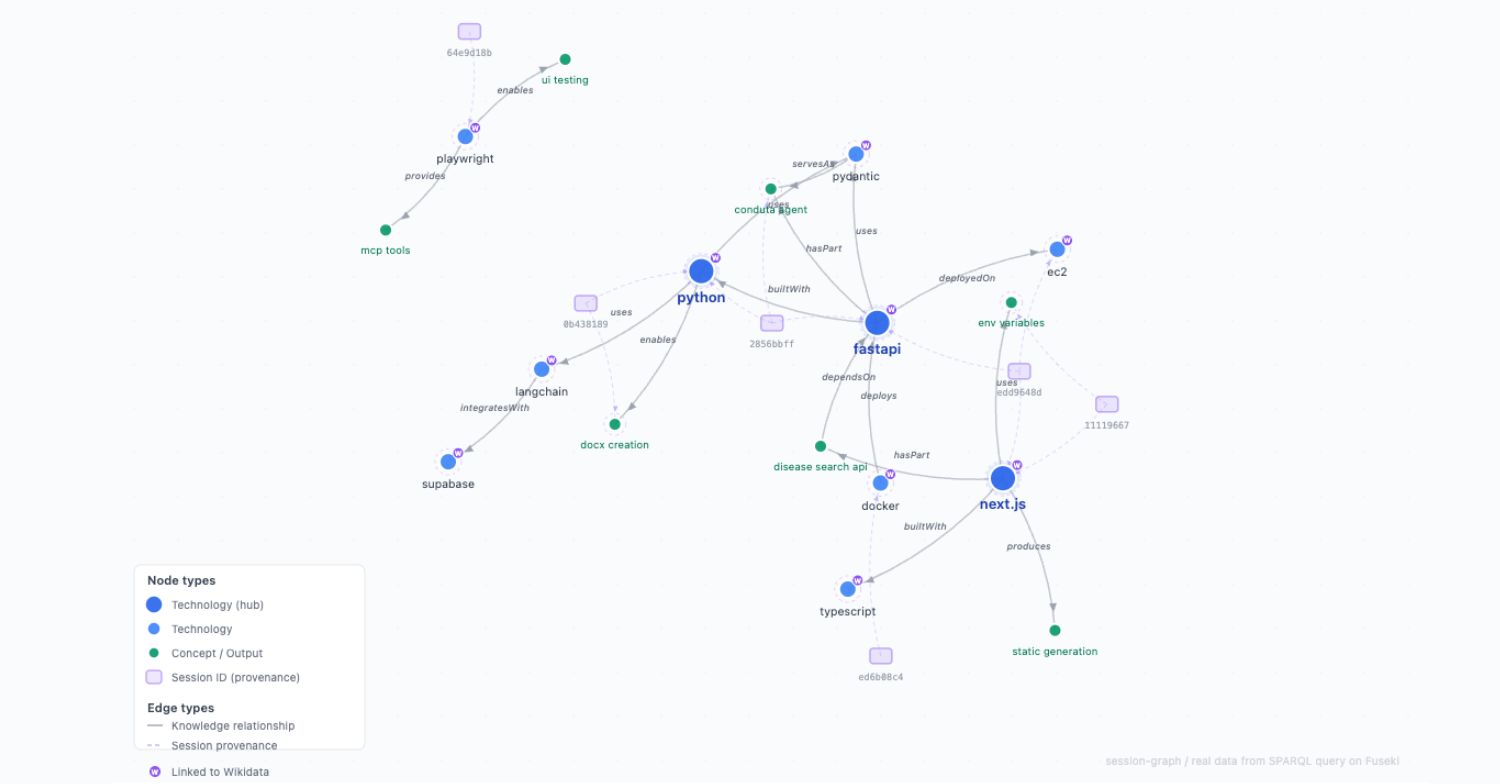
session-graph – by Roberto Shimizu – extracts structured knowledge triples (subject, predicate, object) from all your AI coding sessions, links entities to Wikidata for universal disambiguation, and loads everything into a SPARQL-queryable triplestore (Apache Jena Fuseki) with full provenance back to the source conversation. It’s a knowledge graph of all your vibe coding sessions to keep those good vibes rollin’.
P.S. gdotv product champ Christian Miles will be presenting at POSETTE 2026 online conference on querying and visualizing graphs in Postgres with Apache AGE. Don’t miss it! 🐘
P.P.S. Byte-Sized Cypher is back with another episode: Catch Jason Koo’s lesson on how to use DISTINCT in your Cypher queries. 🍄
P.P.P.S. Got an item to nominate for the next edition of the Weekly Edge? Hit us up at weeklyedge@gdotv.com. ✍🏽

![gdotv Adds Multi-Graph Connections & Automatic Data Models [v3.74.142 Release Notes]](https://gdotv.com/wp-content/uploads/2026/08/multi-graph-connections-automatic-data-models-gdotv-v3-74-142-release-notes-banner.webp "gdotv Adds Multi-Graph Connections & Automatic Data Models [v3.74.142 Release Notes]")