Stop Right There: Conducting Fraud Detection with Aerospike Graph
Discover how to detect fraudulent financial transactions with speed and accuracy using G.V() and Aerospike Graph Database in this developer walkthrough.
Hydra is a programming language that uses mathematical abstraction to model graphs within the language itself. It’s an open-source project spearheaded by Josh Shinavier, co-creator of Apache TinkerPop. In Josh’s own words: “In Hydra, programs are graphs, and graphs are programs.”
G.V() is now compatible with Oracle Graph on Oracle Database 23ai, bringing access to instant graph visualization for property graphs built atop your relational data.
Learn how to get started with Amazon Neptune graph database with this developer guide that walks you through setting up and connecting to your first cluster.
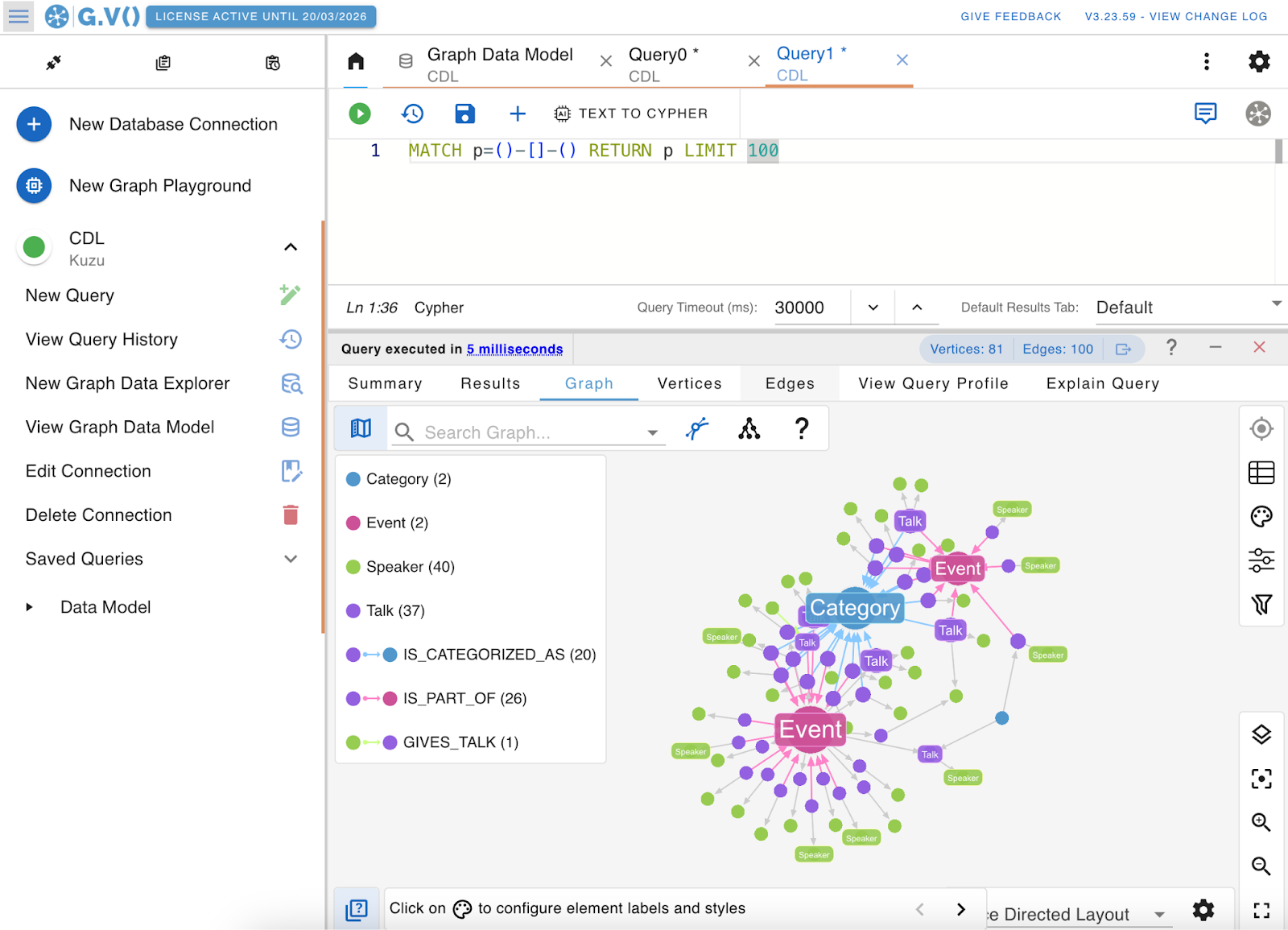
In this post, we’ll dive into Kuzu’s core query capabilities and demonstrate how it pairs nicely with G.V()’s rich visualization tools.
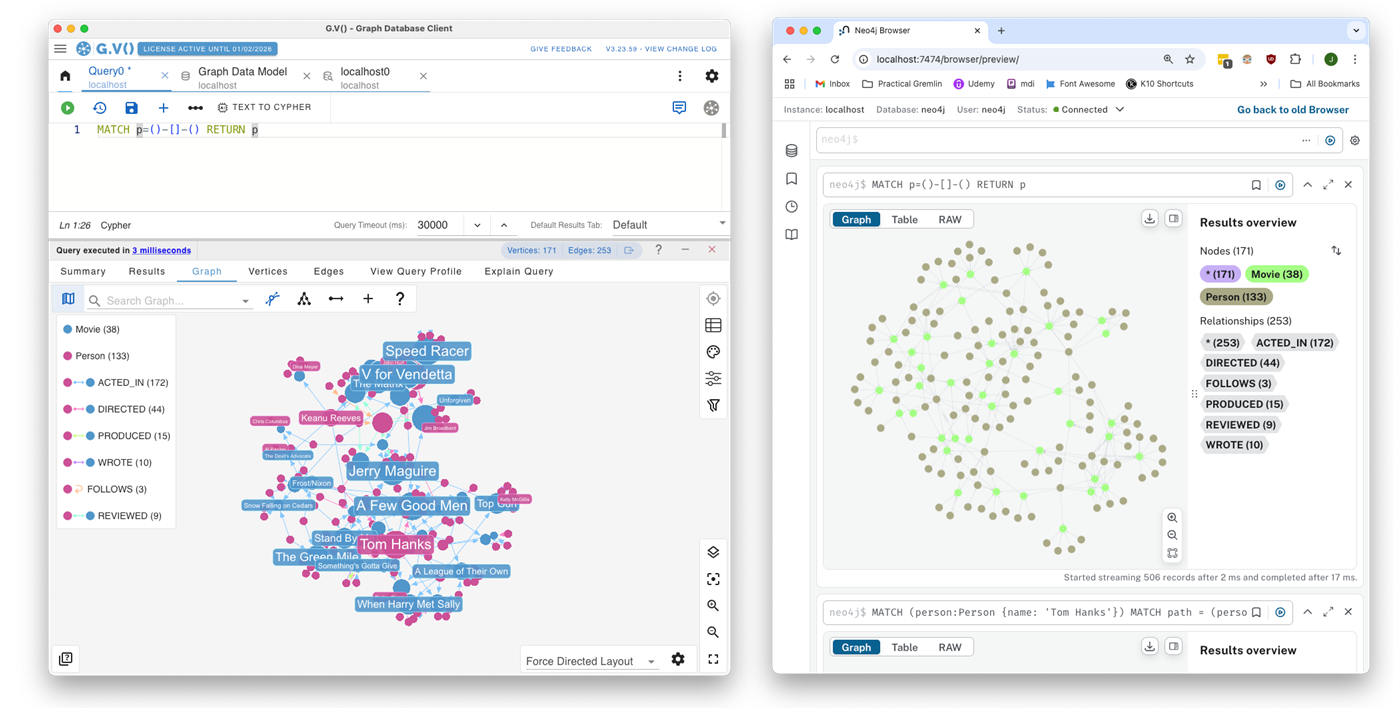
We’re all about helping graph database adoption, and so is Neo4j. Find out in this article how our approach with G.V(), our graph database client, compares to Neo4j browser.
G.V() is now compatible with Dgraph and Hypermode Graphs. With this partnership we bring a wealth of new tooling and features for Dgraph users to explore and visualize their graph data like never before.
G.V() is now compatible with Kuzu, bringing feature-rich graph visualization and query editing features to Kuzu users. Let’s dive into the benefits of this integration.
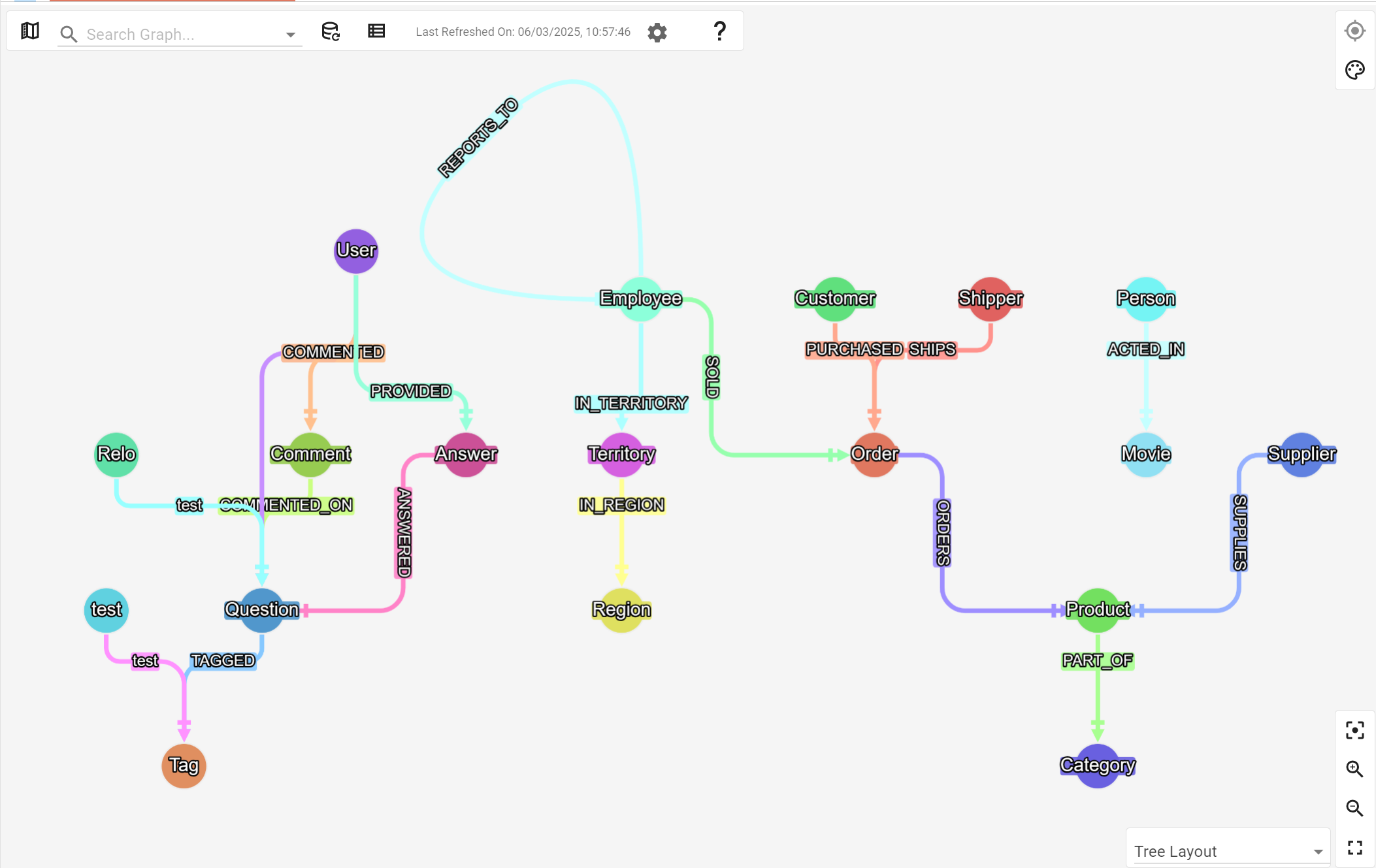
G.V() 3.23.59 is out now, bringing support to Kuzu and Dgraph. We’ve also added improvements to our graph visualization and data model viewer user experiences.

Discover the differences between Azure Cosmos DB Data Explorer and G.V() in this detailed breakdown of both graph database clients and their features.