
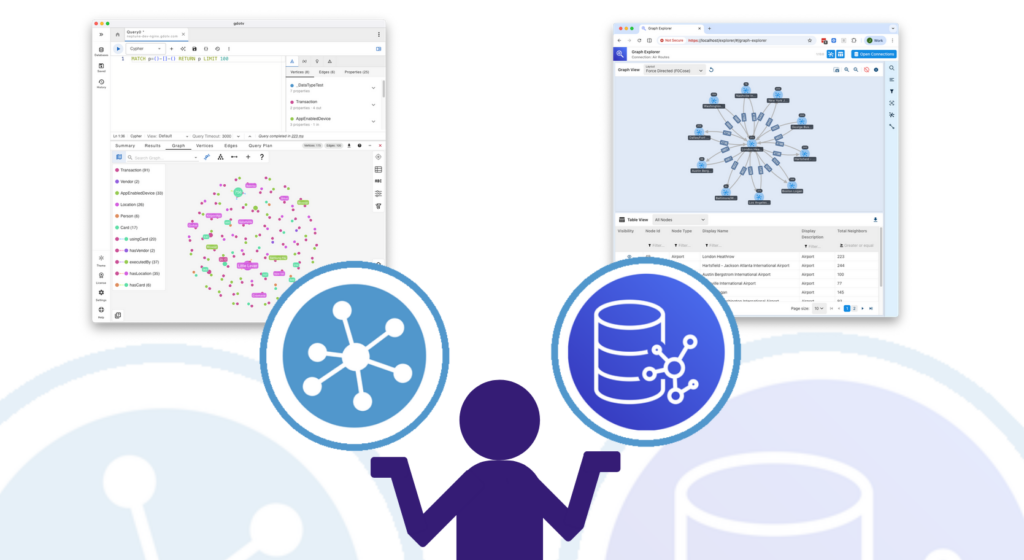
Pitting gdotv Against AWS Graph-Explorer (LPG)
How does gdotv compare against AWS graph-explorer? Follow along with this deep-dive as we explore the various features of each framework.
The Weekly Edge: RDF Inference, Yugabyte MAGE, Visualization with Apache AGE
Discover what’s new this week in graph technology: N3 rules for ontology alignment, Yugabyte’s agent-ready Postgres, and ontology-free graph construction.
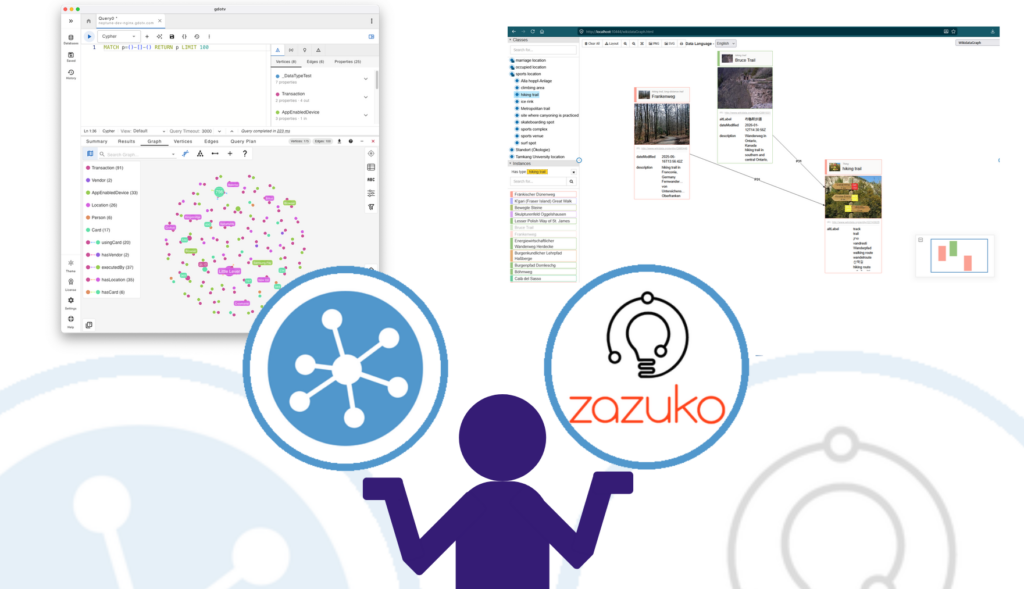
How does gdotv compare to Zazuko Graph Explorer?
How does gdotv compare against Zazuko Graph Explorer? Follow along with this deep-dive as we explore the various features of each framework.
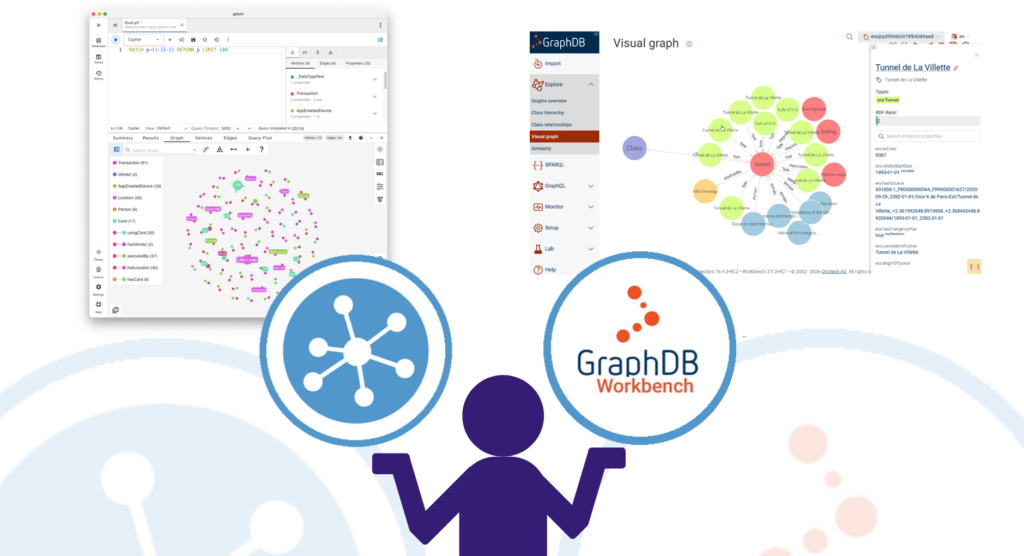
Comparing gdotv vs GraphDB Workbench
How does gdotv compare against GraphDB Workbench? Follow along with this deep-dive as we explore the various features of each framework.
The Weekly Edge: European Railways, Norwegian Weather, Metallic Graphs & more
Discover what’s new this week in graph technology: querying timeseries via SPARQL, SHACL-DS validates European Railways, and Stardog’s LLM-first rebrand.
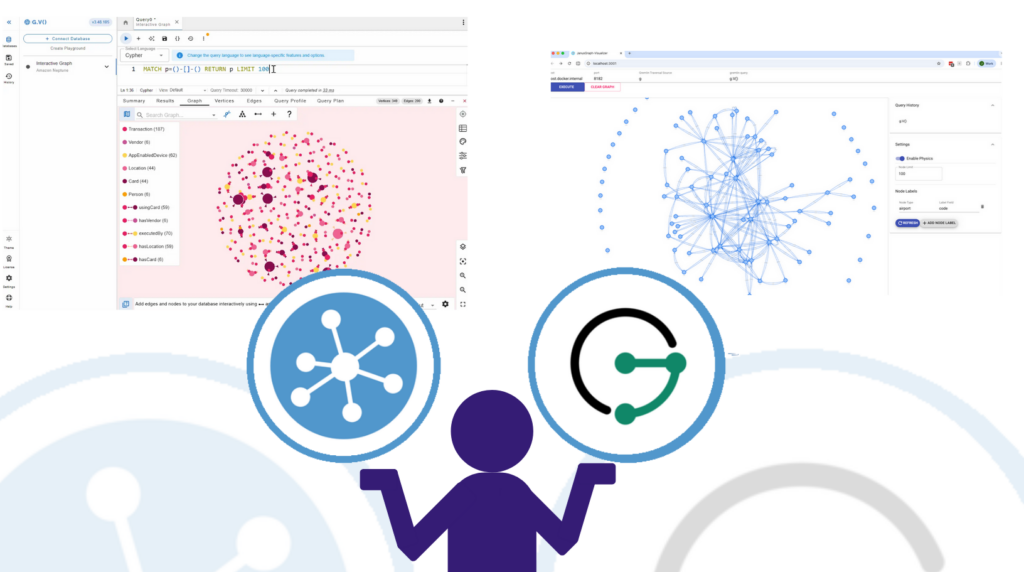
Working with JanusGraph? Here’s how gdotv compares to JanusGraph Visualizer
How does gdotv compare against JanusGraph Visualizer? Follow along with this deep-dive as we explore the various features of each framework.
Building a Property Graph Pipeline from the TEG Benchmark: Part 4 – A Critical Examination of Text-Enriched Graphs
Read our critical analysis of TEG-DB: seven empirical findings on edge text quality, semantic entropy, and evaluation design gaps in text-enriched graph benchmarks.
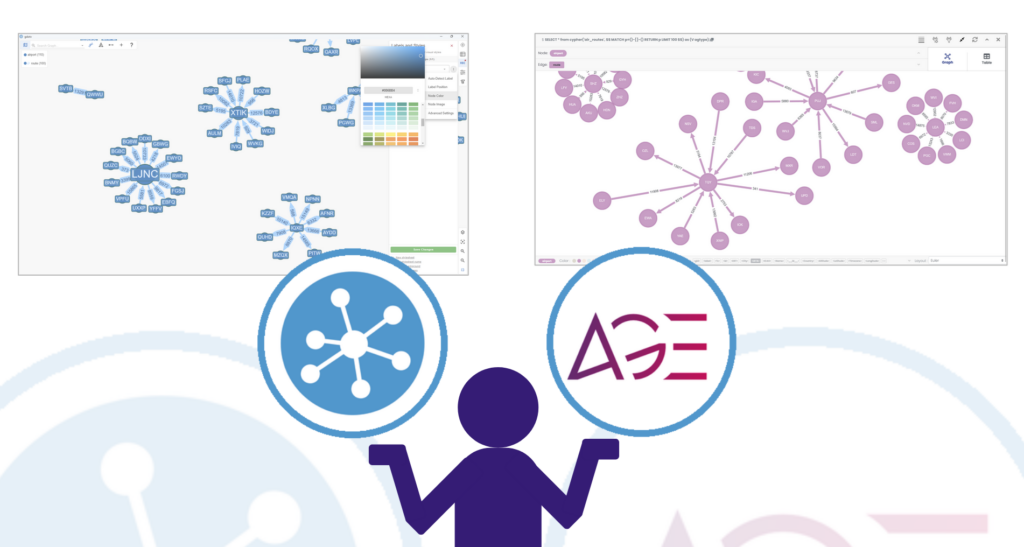
How does gdotv compare to Apache AGE Viewer?
How does gdotv compare against Apache AGE Viewer? Follow along with this deep-dive as we explore the various features of each framework.
The Weekly Edge: Google Spanner Graph Algorithms, Neo4j Acquires GraphAware, Fisheries Knowledge Graph
Discover what’s new this week in graph technology: Neo4j acquires GraphAware, Spanner Graph adds new algorithms, Microsoft Fabric Graph goes GA, and more.
Building a Property Graph Pipeline from the TEG Benchmark: Part 3 – Exploring with gdotv
Explore four queries in gdotv against TEG-DB show what edge text enables: sentiment polarity, citation chains, and contradictions invisible to graph topology.
Building a Property Graph Pipeline from the TEG Benchmark: Part 2 – Populating the AWS Neptune Graph
Load TEG-DB CSV files into Amazon Neptune via the bulk loader API, connect gdotv with IAM auth, and verify the loaded graph with Gremlin.
The Weekly Edge: Neo4j Virtual Graphs, Graphing Snowflake, LegalGraphRAG & more
Discover what’s new in graph tech this week, including a whole host of graph-on-relational technologies relating to Neo4j, Snowflake, Apache AGE, and Postgres.